On 19–21 May 2026, the Regional Durable Solutions Secretariat (ReDSS), in partnership with the Somali Regional State Government, convened a series of preparatory engagements in Jigjiga to assess progress, challenges, and priorities for durable solutions in the Somali Region. These included technical consultations with the Durable Solutions Working Group (DSWG), meaningful participation sessions with displacement-affected communities (DACs), and a refresher Area-Based Durable Solutions Training for government officials, humanitarian and development partners, and academia. These engagements formed part of the broader preparatory process for the Somali Regional Durable Solutions Strategy Review Conference held in Jigjiga on 18 June 2026.
Since 2022, the Somali Region has implemented its Durable Solutions Strategy and Revised Costed Menu of Options, guiding coordinated action across government institutions, partners, and communities to promote recovery, resilience, and inclusion for internally displaced persons (IDPs), relocated IDPs, and host communities. As the implementation of the Strategy progressed beyond 2025, these engagements provided an opportunity to reflect progress, identify gaps, and define priorities for the next phase.
A Region That Has Led the Way
The Somali Region has emerged as one of Ethiopia’s leading regions in advancing durable solutions for internal displacement. Strong political leadership, the establishment of coordination mechanisms, successive Durable Solutions Strategies and Costed Action Plans, and adoption of the Humanitarian–Development–Peace (HDP) Nexus have created a solid foundation for a more sustainable response to displacement.
The Technical Durable Solutions Working Group (DSWG) consultation held on 21st May reaffirmed these achievements and gave government, UN agencies, NGOs, academia, and development partners a platform to jointly assess progress. Participants highlighted enabling factors such as strong political commitment (a regional durable solutions strategy and costed action plan), improved coordination (the DSWG and a regional Steering Committee), increased stability in several displacement-affected areas, and growing integration of durable solutions into development planning. The relocation of all IDPs previously sheltered in Dire Dawa Industrial Park was cited as a major achievement, and relocating people according to clan affiliation has eased reintegration.
Where the Gains Fall Short, and What Participants Are Calling For
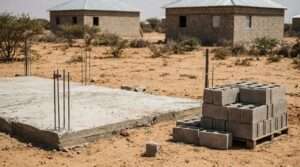
At the same time, it was emphasized that implementation has lagged behind needs, and the gap between demand and supply of durable solution initiatives remains wide. Fifteen relocations have been made, but livelihood support has not kept pace, and basic services such as education, health, and water are still lacking. Housing, Land and Property (HLP) has been given low priority and low costed in the Costed Plan of Action, documentation and access to justice were not properly addressed, and agricultural land, even where IDPs have been given housing, remains a serious ownership issue.
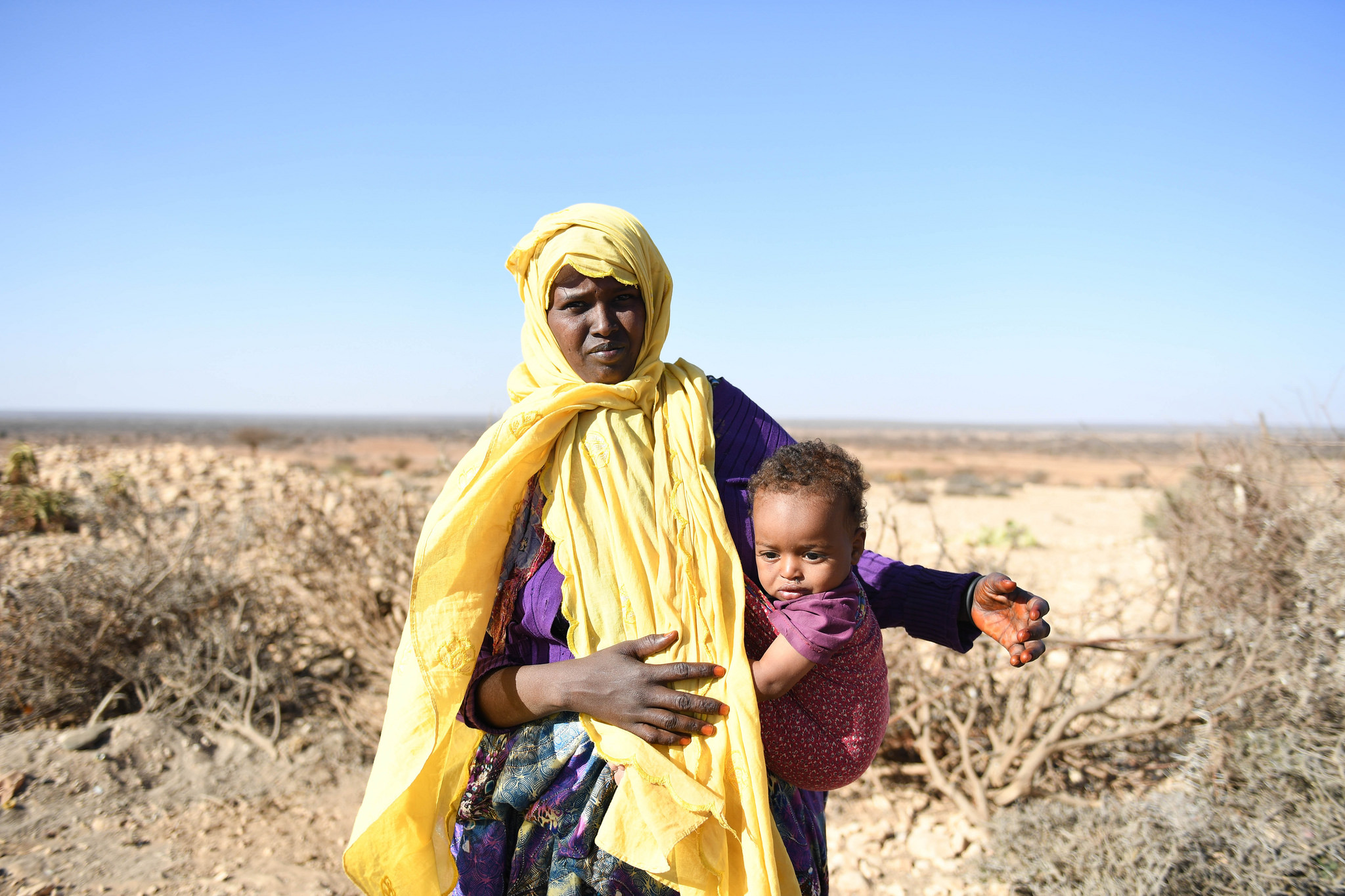
Funding is limited to a handful of active donors and skews toward rural areas even as urban areas host large IDP populations under similar service pressure. Because relocation is linked to clan affiliation, IDPs have limited choice over where they are resettled. Recurrent drought compounds the strain, with firefighting nearly becoming the default mode of operation, and the continued absence of an IDP proclamation leaves the rights and responsibilities of IDPs, the mandate of government institutions, and the financing and coordination of DS responses unresolved. In short, key constraints include limited financing, livelihood gaps, HLP challenges, pressure on basic services, and insufficient attention to urban displacement dynamics.
Participants called for stronger mainstreaming of durable solutions across sector bureaus and development frameworks, together with increased resource mobilization and alternative funding: donors currently carry too much of the expectation, and participants pointed to the private sector, diaspora, and faith-based organizations as underused sources of financing.
They also pushed back on the assumption that durable solutions implementation and coordination sit with Disaster risk management bureau (DRMB) alone, calling instead for greater awareness and engagement across regional line bureaus and non-governmental stakeholders, and stressed that gender aspects must be built into durable solutions programming from the outset. On urban displacement, they called for a dedicated relocation and solutions plan, acknowledging that urban options are costly and land-intensive but achievable in collaboration with government and donors. Finally, participants called for capacity-building support to local authorities and swift adoption of the draft IDP Proclamation.
A central message emerging from the consultation was that durable solutions function as a long-term development and governance agenda, requiring sustained investment and coordinated action toward inclusive economic recovery. Two further questions ran through the discussion: when IDP status should be considered to end – after relocation, return, or local integration, given that host communities still call resettled people IDPs long afterward – and how far DS implementation has genuinely engaged local NGOs in localization.
Building the Capacity to Deliver Durable Solutions
As part of the preparatory process, ReDSS ran a one-day refresher Area-Based Durable Solutions Training in Jigjiga on 20 May 2026, bringing together representatives from regional bureaus, UN agencies, NGOs, civil society, and academia. The session was interactive, and participants used it to press points the DSWG consultation had not fully resolved: DSWG meetings should be regular rather than tied only to humanitarian projects, regional bureaus should budget for durable solutions themselves rather than relying on partners, the federal government should contribute to rehabilitation and recovery, and social cohesion work in Qoloji and Kebribeyah needs continued investment. Participants also asked for programming that names the specific barriers facing women, children, and older people, not just displacement-affected communities in general.
The Voice from Below: Integration Is Real, But So Are the Gaps for DACs
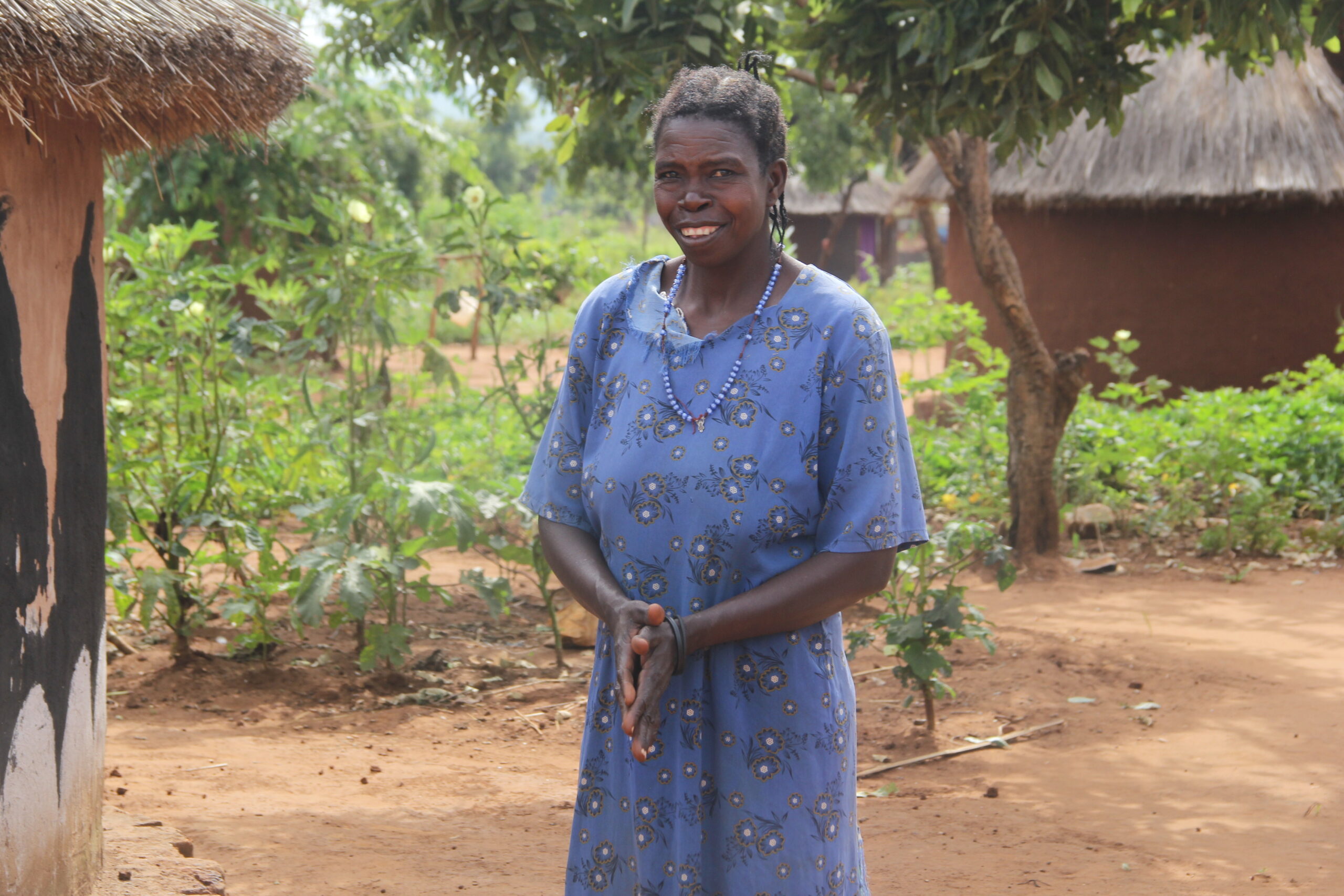
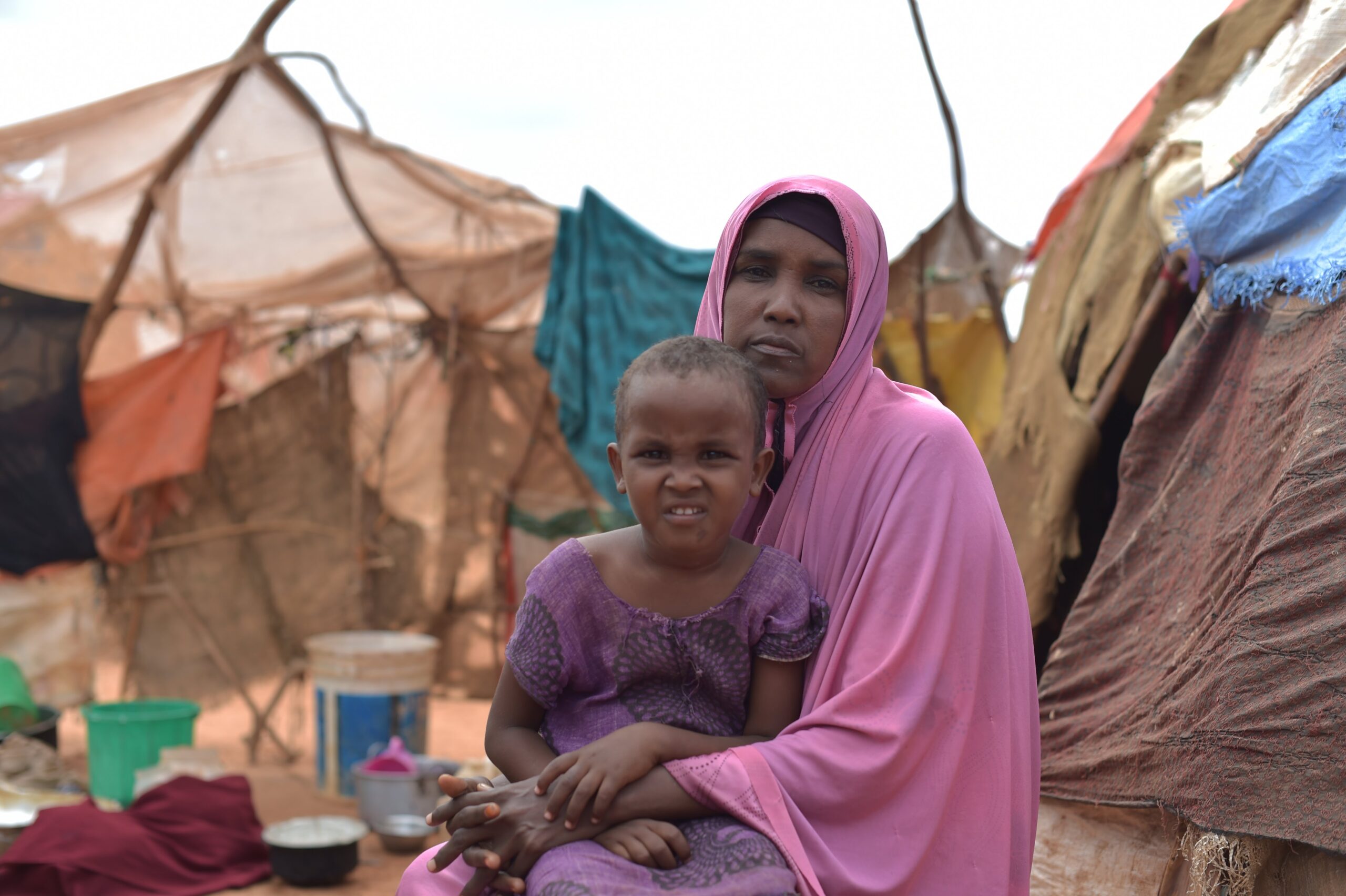
Consultations with DACs revealed a generally positive picture of coexistence across locations such as Qoloji, Awbare, and Kebribeyah. Communities consistently described strong social cohesion, shared access to services, and growing economic interdependence: in many areas, IDPs and host communities jointly access schools, health services, water points, and markets, while farming partnerships, small businesses, and informal economic exchanges have strengthened integration, and in some contexts the line between host and displaced populations is increasingly blurred.
This coexistence has not erased structural challenges that affect both host and IDP populations alike. Limited livelihoods, unemployment (particularly among youth and women), pressure on land and natural resources, environmental degradation, inadequate infrastructure, weak telecommunications, and constrained access to services persist across the same locations. This shows that social cohesion alone is not sufficient for durable solutions; without sustained investment in livelihoods, infrastructure, and basic services, vulnerabilities remain, and tensions over scarce resources can emerge.
Social cohesion alone is not sufficient for durable solutions.
Communities consistently expressed a strong aspiration to be self-reliant and to have a genuine say in decisions shaping their future.
Shaping the Next Chapter of Durable Solutions: The Review Conference
The above preparatory processes culminated in the Somali Regional Durable Solutions Strategy Review Conference convened in Jigjiga on 18 June 2026. Organized by the Disaster Risk Management Bureau (DRMB) in collaboration with ReDSS and IOM, it brought together regional government institutions, UN agencies, NGOs, donors, academia, civil society, and private sector actors, marking a transition from reflection to collective action as it reviewed implementation progress and defined strategic priorities for the next phase.
In their opening remarks, regional leaders reaffirmed their commitment to advancing durable solutions as a core development priority. Presentations from the Bureau of Planning and Economic Development demonstrated how the durable solutions agenda is increasingly aligned with the region’s broader resilience and development ambitions, including expanding agricultural and livestock production, creating employment opportunities, strengthening public services, and increasing domestic resource mobilization.
Solutions hold up better when communities help shape and monitor them rather than simply receive them
Government representatives also reflected on lessons learned since the implementation of the Durable Solutions Strategy began in 2022. Strong regional leadership, community-based planning, and local integration initiatives stood out as achievements; recurring climate shocks, continued displacement, and limited financing are what continues to challenge implementation. The Conference reaffirmed the same perspectives DACs had voiced during the earlier consultations: strong coexistence and social cohesion alongside persistent barriers to self-reliance, a reminder that humanitarian and developmental interventions must carry equal weight to complete the HDP Nexus in practice.
A panel with the DRMB, IOM, World Vision, and the Swiss Agency for Development and Cooperation (SDC) pushed the private-sector question further: businesses in and around displacement-affected areas could offer employment pathways and vocational training, but only if monitoring systems track whether displaced families are actually progressing toward durable solutions, not just whether projects delivered outputs. Partner presentations on community-based monitoring, citizen-generated data, and access to justice made a related point: solutions hold up better when communities help shape and monitor them rather than simply receive them.
A Foundation Still Ahead of Its Implementation
Across all engagements, one message held: implementation has not yet matched the scale of need, even with a strong foundation now in place. Financing gaps, climate shocks, and capacity limitations remain the binding constraints. Durable solutions need the kind of sustained, multi-year investment a governance agenda requires, well beyond the length of a typical project cycle. Taken together, these engagements show the region going beyond managing displacement toward shaping inclusive pathways that let displaced and host communities alike thrive.
Looking Forward: Next Steps and Priority Actions
The model works. What is unproven is whether it can outlast the project cycles and donor timelines that funded its first phase.
The task ahead is to consolidate this progress and embed it for the long term. Durable solutions must be fully embedded within government systems, integrated into sectoral plans, budgeting processes, and development frameworks so that gains outlast individual project cycles. Alongside this, climate resilience and anticipatory action within the HDP Nexus need strengthening to reduce vulnerability to the recurrent shocks that continue to drive displacement, and data systems, including a social registry for DACs linked to national identification systems such as the Fayda programme, are needed to improve targeting, planning, and accountability.
Area-based approaches should expand to address the needs of IDPs and host communities together, promoting local integration as a viable and context-appropriate pathway, while the private-sector, diaspora, and faith-based partnerships flagged earlier as underused financing sources are formalized to diversify funding and expand livelihoods.
Monitoring and evaluation systems, in turn, must track real progress toward durable solutions at both household and community levels, focusing on outcomes rather than outputs. Equally important is ensuring meaningful participation of DACs through strengthened community-led structures and IDP-led organizations, so that solutions are designed with communities rather than for them.
Greater attention must also go to urbanization and economic integration in rapidly growing towns, where opportunities for livelihoods and services are more accessible; this requires clearer institutional roles and sustained investment in capacity-building.
The Somali Region has already shown what alignment between government, communities, humanitarian actors, and the private sector can produce. The model works. What is unproven is whether it can outlast the project cycles and donor timelines that funded its first phase.