We are Ethiopian citizens. We want to be part of the solution.
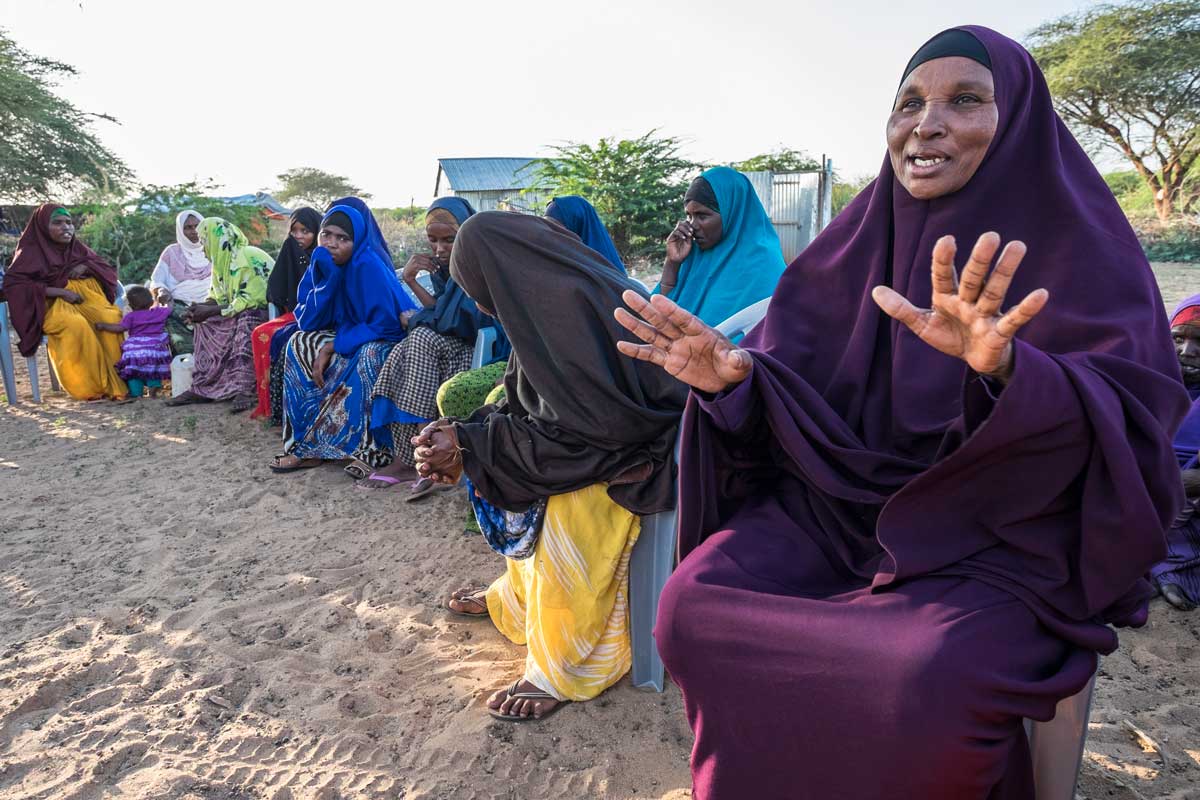
Participants across three sites made this same point during a series of focus group discussions (FGDs) conducted between 29 April and 19 May 2026 with representatives of internally displaced persons (IDPs) and host communities from Qoloji, Awbare, and Kebribayah, to document their views on the implementation of the Somali Regional Durable Solutions Strategy (2022–2025).
Their perspectives highlight both the realities of prolonged displacement and a clear vision for self-reliance, social inclusion, and sustainable recovery. For many participants, displacement has stretched into a decade or more, reshaping livelihoods, social relationships, and expectations for the future. Communities have met that reality with resilience, even as gaps in services and long-term development support persist.
Across the discussions, a clear message emerged: communities are seeking more than safety. They want to rebuild their lives with dignity, contribute to their local communities, and become active participants in shaping their own futures.
When Displacement Becomes a Long-Term Condition
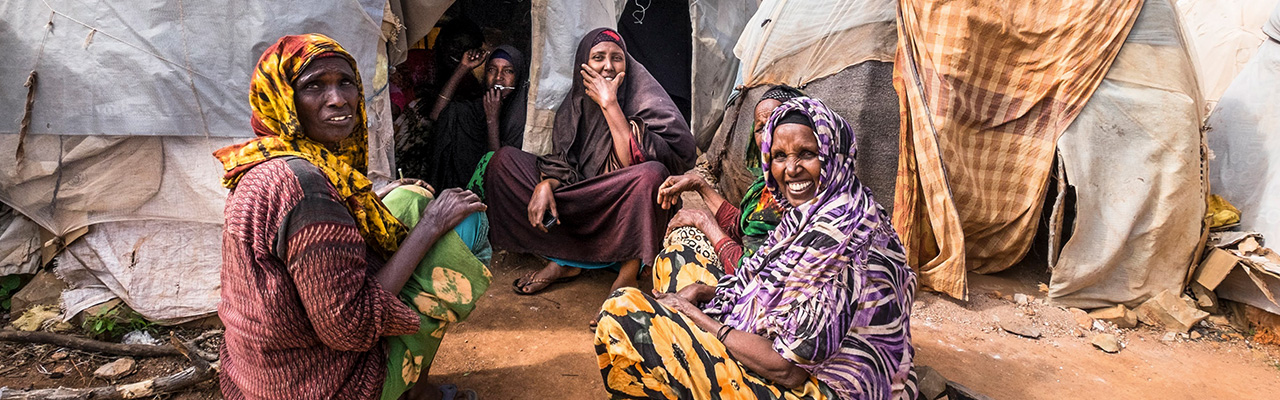
The primary drivers of displacement were conflict and insecurity along the Somali–Oromia border in 2017 and 2018, which forced families to leave their places of origin in search of safety, often without assistance. Although the initial displacement occurred several years ago, the region continues to host IDPs affected by the conflict, many of whom remain displaced and face the challenges of a protracted displacement situation.
This prolonged situation has changed the nature of displacement itself. It has shifted from a short-term humanitarian condition into a long-standing reality that shapes education, livelihoods, and social organization. In response, displaced communities have adapted to this prolonged condition by rebuilding social networks, adjusting livelihood strategies, and developing new forms of belonging in their current locations.
This shift means displacement is now a long-term development concern rather than a short-term crisis response issue, one that requires sustained structural engagement.
Living Together: Strengthening Social Cohesion
A strong and consistent finding across all locations is the relatively high level of social cohesion between displaced and host communities. Participants described everyday interactions shaped by cooperation, shared services, and mutual dependence.
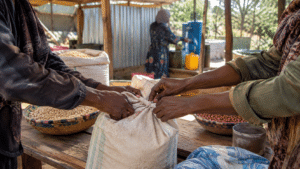
Communities commonly share access to water points, schools, health facilities, and local markets. In several cases, displaced households engage in farming arrangements, small businesses, and informal labor alongside host community members. Over time, these interactions have contributed to reducing social distance and normalizing coexistence.
At the same time, this coexistence is not without pressure. Shared resources, especially water access, land use, and environmental stress, often become points of tension. Social cohesion is strong, but it remains sensitive to resource scarcity and service limitations, and integration is best understood as an ongoing process shaped by both cooperation and occasional strain.
Lessons from Durable Solutions Sites
Qoloji, the Somali Region’s largest IDP site and one identified for local integration, shows both the promise and the limits of protracted displacement. Recurrent flooding, inadequate shelter, and weak infrastructure keep residents at risk even where coexistence with host communities has held up well. Integration here depends on sustained investment in resilient infrastructure and basic services.
Awbare, a relocation site in Awbare District for IDPs moved from Qoloji, shows the limits of relocation without matching service expansion. Water shortages, overcrowding, and weak service delivery persist even though physical safety has improved. Infrastructure and public services need to keep pace with population growth for outcomes to hold.
Dhurwaale, a relocation site in Kebribayah District, shows that relocation alone does not deliver self-reliance. Households have gained stability, though limited farmland, restricted access to education beyond primary level, and weak livelihood support still constrain recovery. Relocation needs to be linked with livelihoods, education, and sustained economic support.
Taken together, these experiences reveal a broader pattern. Qoloji, Awbare, and Dhurwaale represent different approaches to durable solutions, yet all three have become long-term settlements without matching investment in infrastructure, services, livelihoods, and spatial planning. That mismatch drives vulnerability even in relatively stable contexts. The lesson is that durable solutions need investment in services, livelihoods, and local systems that support both displaced and host communities.
| Livelihoods: The Search for Stability and Independence
Livelihoods emerged as the most pressing concern across all discussions. Households rely on daily labor, petty trade, small-scale farming, livestock support, and occasional humanitarian assistance, activities that cover short-term survival but fall short of long-term stability.
Participants were clear the barrier is access to land, capital, skills training, and formal employment, not a lack of willingness to work. Improving livelihoods therefore calls for investment in vocational training, financial inclusion, and job creation linked to local development.
| Participation and Voice: Moving Toward Inclusion
Participation shows a mixed picture. Consultation happens around service delivery and local initiatives, but communities often feel excluded from decisions on longer-term development priorities, a gap youth and women described most sharply, noting their input rarely shapes final decisions or project design.
Participation mechanisms remain largely procedural rather than transformative. Strengthening durable solutions requires embedding community voices more systematically into planning, implementation, and accountability.
| Displaced and Host Communities Face the Same Infrastructure Gaps
A key cross-cutting theme is that shared challenges, water scarcity, housing, land, and property (HLP), environmental degradation, infrastructure gaps in telecommunications and utilities, and limited livelihood opportunities, affect all residents within the same geographic areas, displaced and host alike.
This reinforces the case for area-based approaches that respond to entire communities rather than groups in isolation. Communities consistently said investments should strengthen local systems rather than create parallel structures.
From this perspective, durable solutions are as much about territorial development and resilience-building as about displacement response.
Looking Ahead: From Displacement to Contribution
Across all locations, communities expressed a strong desire to move beyond dependency and toward active participation in economic and social life. Their priorities are grounded in practical needs: access to land, education, infrastructure, employment, and investment in local development.
What stands out most clearly is a call for opportunity and inclusion. At the center of these discussions is a message that resonates across all sites:
“We are Ethiopian citizens. We want to be part of the solution.”
This reflects a broader shift, from being seen as recipients of support to being recognized as contributors to development and community progress. It points to designing responses that support people’s agency and dignity while building toward long-term inclusion.
Listening as the Foundation of Durable Solutions
The findings from these FGDs point to a mixed reality. Social cohesion between displaced and host communities is relatively strong, but structural conditions continue to limit progress toward lasting solutions. Communities are integrated socially while remaining constrained economically and infrastructurally, and that imbalance shows coexistence alone cannot deliver durable solutions.
Sustainable progress depends on aligning improved service delivery, expanded livelihood opportunities, and meaningful participation within a coordinated development approach. Without these, displacement risks becoming a prolonged condition rather than a transitional phase.
These discussions point beyond what communities lack, toward what they aspire to, a future they help shape, built on real inclusion and opportunity. Whether displacement ends is the easy metric. The harder one, and the one that matters, is whether the people living through it get a say in what comes next.