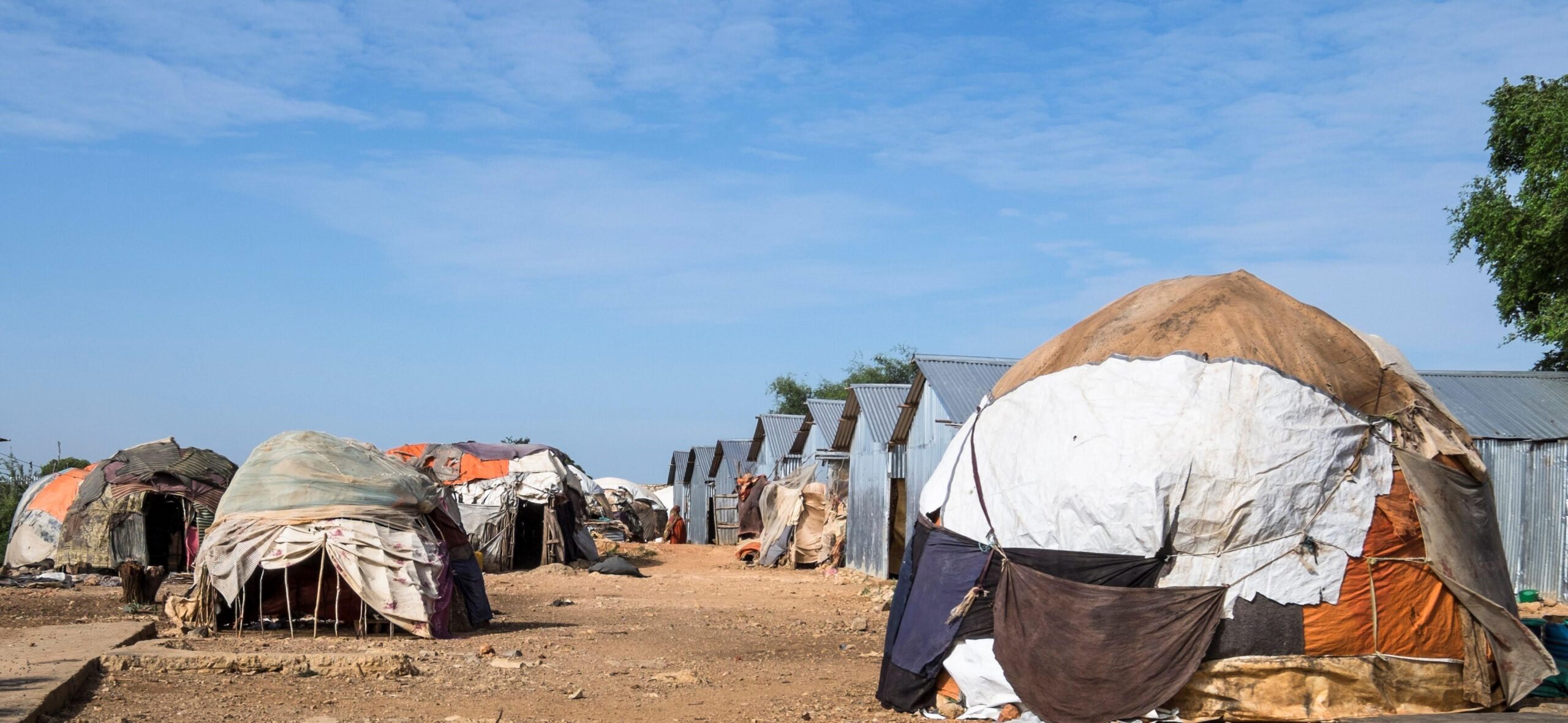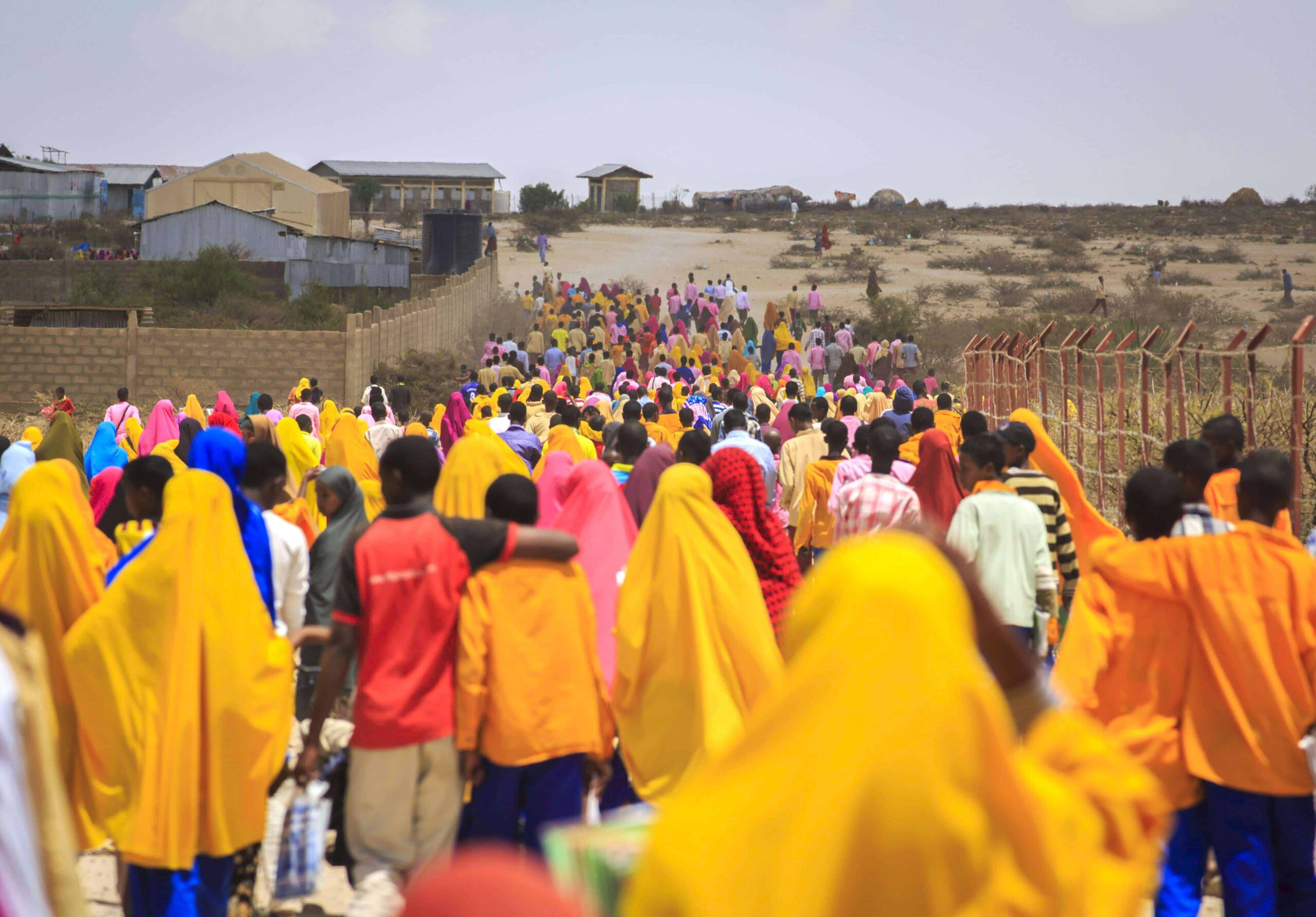

Kenya is at a historic turning point in refugee protection and inclusion. For over 860,000 refugees and asylum seekers, the country’s shift from camp-based management toward integrated settlements represents more than policy reform – it offers a potential pathway to dignity, self-reliance, and long-term resilience alongside host communities.
The Kenya Evidence Platform’s annual conference, held September 16-17 at Mövenpick Nairobi, brought together government agencies, UN bodies, donors, municipalities, refugee-led organisations, researchers, and host community representatives to examine this transition. Organised by the Refugee-Led Research Hub (RLRH), Maseno University, and the Regional Durable Solutions Secretariat (ReDSS) with support from the Dutch Ministry of Foreign Affairs, the two-day event unpacked Kenya’s evolving refugee policy and the role of displacement-affected communities in shaping its future.
The Shirika Plan: From Camps to Communities
Launched on March 28, 2025, the Shirika Plan builds on the Refugee Act (2021) and fundamentally shifts Kenya’s approach from camp-based management toward integrated settlements and shared development. Opening remarks from the Department of Refugee Services (DRS), UNHCR, ReDSS, and the Dutch Embassy emphasized the significance of this moment.

Speaking on behalf of the Principal Secretary, Gladys Kiapa described the Shirika Plan as “a historic transformation for Kenya – a shift from camps to communities, from survival to self-reliance.” She highlighted initiatives already underway, including integrating refugees into the national health insurance scheme (SHA) and the NYOTA Programme (National Youth Opportunities Towards Advancement), which will benefit 820,000 young people, including 10,000 refugees.
However, Kiapa acknowledged that capacity gaps and limited awareness of what the Shirika Plan means – especially at community level – remain critical challenges.
Centering Refugee Leadership
A recurring theme throughout the conference was the central role refugees must play in shaping the transition. Speakers warned against tokenism, where refugees are invited to discussions without genuine decision-making power. As Jean-Marie Ishimwe stated: “Refugees are too often engaged just for rubberstamping. True accountability means shaping priorities, not just sitting at the table.”
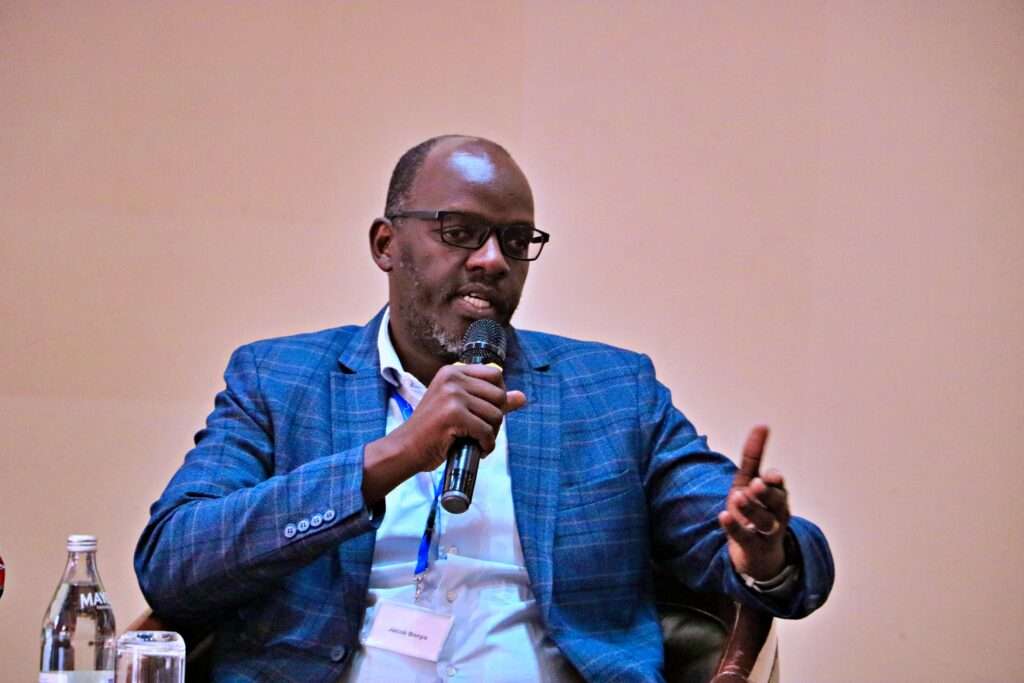
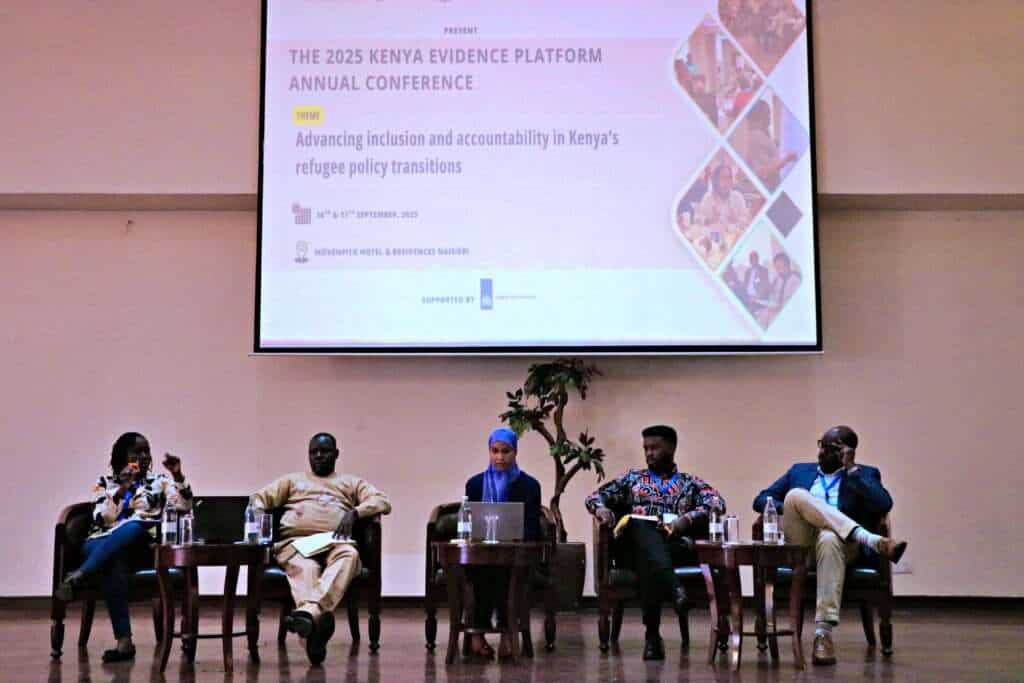

Panelists from the first panel on Refugee leadership and accountability in transitions (left to right): Jacob Bonyo (RefugePoint), the panel (second left – John Ebenyo – Kakuma Municipality, Fardosa Salah – RLRH, Ishimwe and Jacob) follows Damaris Bonareri’s (Heinrich-Boll Foundation) intervention (extreme left), and Jean-Marie Ishimwe (R-SEAT)
Promising examples of meaningful participation emerged from both major refugee-hosting areas. In Kakuma Municipality, local forums are being redesigned from “Citizens Fora” to “Residents Fora” to ensure both refugees and host communities can voice their priorities. “We must build spaces where hosts and refugees alike decide how they want to be governed,” a Kakuma municipal leader noted. In Dadaab, refugees already serve on municipal boards and working groups, influencing integrated development plans.
Refugee-led organisations (RLOs) highlighted both opportunities and persistent barriers. While the Shirika Plan could open direct funding channels to RLOs, donor compliance requirements, capacity gaps, and structural exclusion remain significant obstacles. Participants identified flexible funding, capacity development, and genuine partnerships as critical to institutionalizing – rather than merely symbolizing – refugee leadership.
Financing the Transition
Day one turned to the operational realities of implementing the Shirika Plan. DRS reported progress on three fronts: a communications strategy to counter misinformation, new transition guidelines, and an implementation matrix built with UNHCR and IOM. County governments will play a central role, and DRS pointed to lessons already drawn from the Kalobeyei and Garissa development plans.
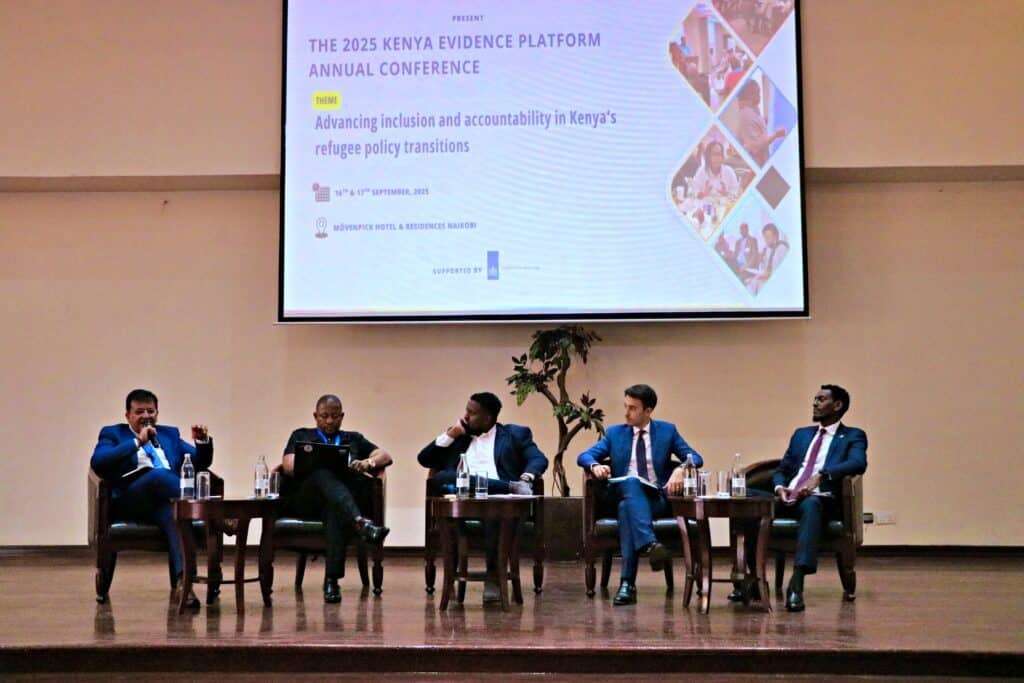
Panelists from the second panel on Resourcing and operationalising the Shirika Plan in a shifting landscape (left to right): Suhail Awan (UNHCR), Jeanpaul Kasika (RELON-Kenya), Mohammed (RLRH), Miguel de Corral (World Bank), and Ibrahim Khalif (Department of Refugee Services)
A new entrant in Kenya’s refugee space, the World Bank made the case for sustainable financing models. Its representative argued: “Humanitarian aid alone cannot carry the weight of refugee management. We need sustainable, area-based development that lifts both refugees and hosts.”
Refugee-led organisations pushed back on treating localization as rhetoric. Community-based organizations are the most consistently present actors on the ground, they argued, which makes them the most sustainable investment – not merely the most convenient one. Both perspectives converged on the same conclusion: financing refugee inclusion cannot rely on humanitarian budgets alone. It will take county ownership, private sector engagement, and long-term development financing working together for the Shirika Plan to succeed.
Knowledge Production and Accountability
The second day turned to research and evidence as pathways to accountability. The Refugee-Led Research Hub described its model for building refugee researchers’ capacity through mentorships and grants – evidence rooted in lived experience, so that what gets produced is trusted and used, not just generated. As Winnie Makau put it: “Refugee researchers can frame their own problems in their own way – that is the starting point of real accountability.”
Representatives from Moi and Strathmore universities pressed the same point from an academic angle, invoking principles like Ubuntu to argue for African authorship and locally driven solutions. Education, they stressed, is a cornerstone of empowerment and inclusion.
UNHCR and other partners built on that argument: community-led research holds institutions accountable by raising awareness of local needs and building feedback loops that strengthen trust. Dr. Opondo from Moi University framed it simply: “Natural assimilation is part of human existence, but it must be supported by education and empowerment.”
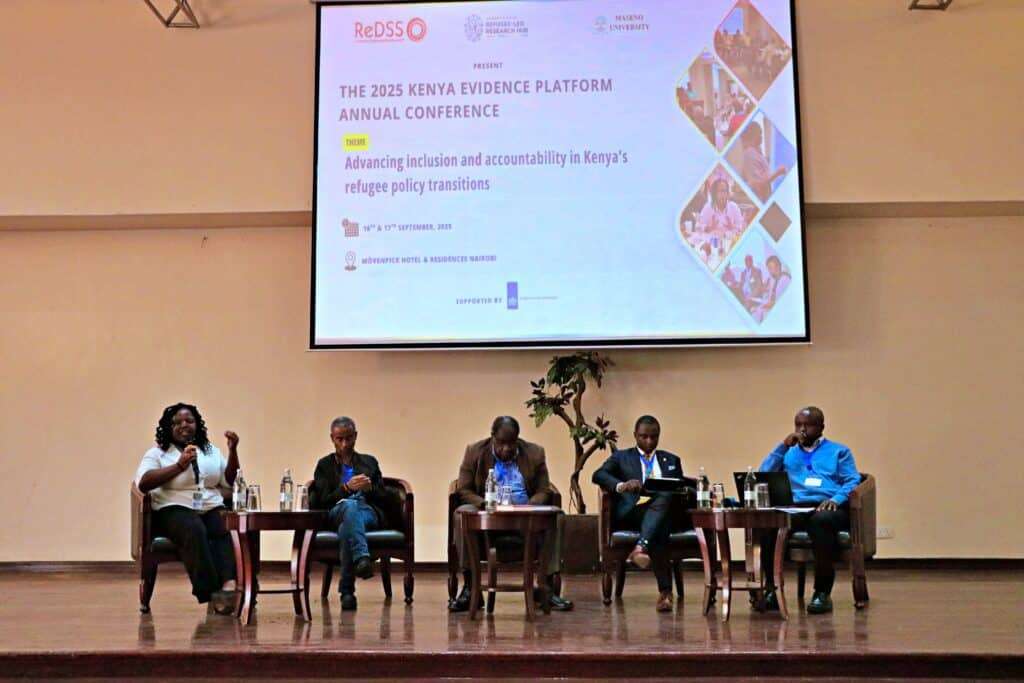
Panelists from the second panel on Accountability and Inclusion through Knowledge Production (left to right): Winnie Makau (RLRH), Gerawork Teferra (Columbia University), Dr. Paul Opondo (Moi University), Dr Allan Mukuki (Strathmore University), and Dr Michael Owiso (Maseno University)
Cross-Cutting Challenges
Several persistent challenges emerged across panels. Capacity and knowledge gaps leave many communities, and local officials unclear on the Shirika Plan’s scope and implications. Humanitarian funding cuts have already strained services and fuelled tensions, particularly in camps. Without deliberate institutional mechanisms, refugee participation risks remaining symbolic. Clear, accessible information for host communities, refugees, and frontline actors is urgently needed.
Moving Forward Together
The conference closed on a clear message: advancing inclusion and accountability in Kenya’s refugee transitions is a shared responsibility, not a single actor’s job. Government and county authorities carry the weight of driving the Shirika Plan with transparency and real community participation mechanisms, while donors and development partners need to match that with predictable, flexible, multi-year funding, including funding that reaches refugee-led organisations directly. Humanitarian and international agencies, for their part, have to work alongside government structures rather than parallel to them, investing in local institutional capacity rather than substituting for it.
The same logic extends to the organisations closer to the ground. Refugee-led organisations must keep demanding meaningful participation while building the internal governance that makes them ready for direct partnership. Academia and researchers need to keep evidence locally grounded, accessible, and widely shared. And displacement-affected communities themselves have to stay engaged – through Residents Fora, municipal planning boards, and ongoing community dialogue.
Kenya’s journey here is far from simple. The Shirika Plan offers a bold blueprint, but whether it works depends on collaboration, trust, and sustained commitment. Durable solutions, as the discussions made clear, will not come from policy frameworks alone – they have to be grounded in the voices and leadership of the people most affected. Accountability and inclusion aren’t optional extras. They are the foundation of sustainable refugee management in Kenya.