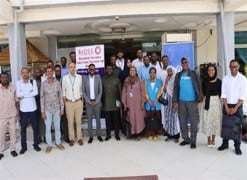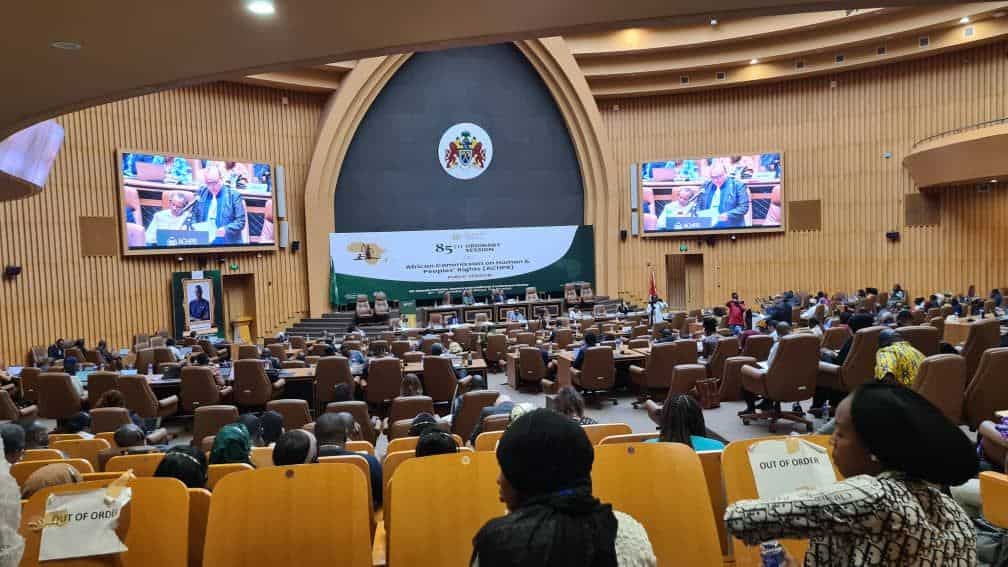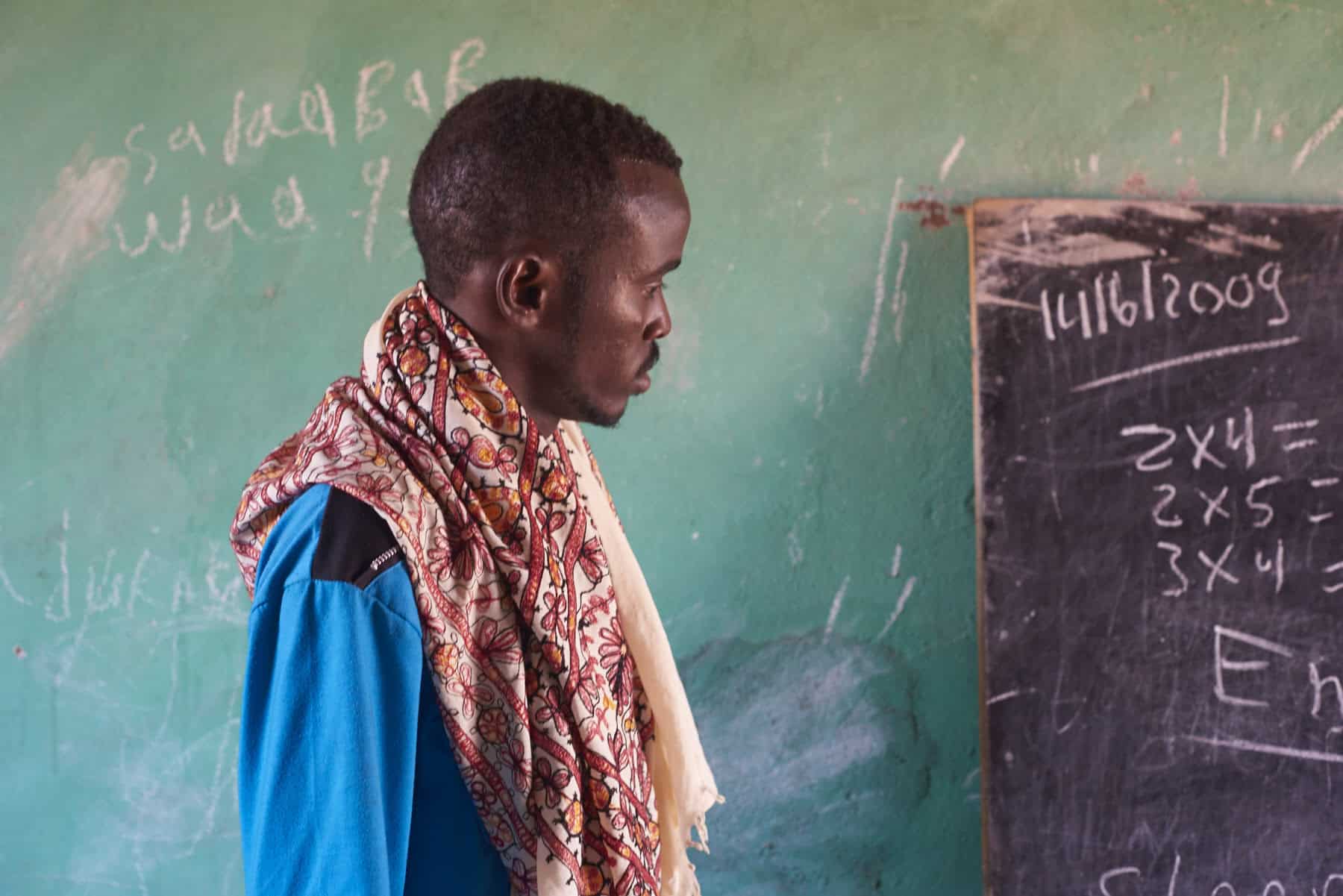

Participants at the consultations in Jigjiga
On August 28, 2025, a wide-ranging consultation was held in Jigjiga, bringing together approximately 40 participants, including representatives from internally displaced persons (IDPs), refugees, host communities, government sector bureaus, UN structures, international NGOs, and local NGOs. Participants were selected from three woredas of Fafan Zone: Awbare, Kebribeyah, and Qolaji.
Facilitated through the Displacement Affected Communities (DAC) Platform and supported by ReDSS in collaboration with the Somali Regional State government and the Refugee and Returnee Services (RRS), the event was more than a workshop – it was a structured effort to explore durable solutions for populations that have lived in and with displacement for years, even decades.
Strategic Alignment
The DAC consultation in Jigjiga fits within Ethiopia’s evolving durable solutions architecture, which promotes locally led and evidence-driven approaches aligned with national and regional strategies.
Nationally, it advances the National Durable Solutions Initiative (NDSI) by supporting a coordinated government response to displacement and generating localized evidence to inform policies. Its participatory and area-based approach complements the National IDP Policy Framework (2024), which emphasizes inclusion, self-reliance, and equitable access to services for displaced populations.
The consultation also supports Ethiopia’s commitments under the Comprehensive Refugee Response Framework (CRRF) and the Refugee Proclamation No. 1110/2019, both of which promote refugee inclusion within national and regional systems. By engaging refugees, IDPs, and host communities together, it embodies the CRRF’s principles of shared responsibility and strengthens the nexus between humanitarian, development, and peacebuilding efforts.
At the regional level, the consultation reinforces the Somali Regional Durable Solutions Strategy (2020–2025), which prioritizes government leadership, evidence generation, and cross-sectoral collaboration. By generating concrete insights from Fafan Zone, it contributes to adaptive regional planning and supports coordination across sectors such as livelihoods, land tenure, and service delivery.
Key Objectives
The consultation had four objectives. First, it sought to identify and analyze barriers to durable solutions, documenting structural, legal, economic, and social challenges that prevent communities from achieving stability. Second, it aimed to assess diverse preferences for durable solutions, creating space for communities to express and compare their preferences for return, local integration, or resettlement, while understanding the implications for policy and programming.
Third, the consultation examined the impact of humanitarian aid reductions on livelihoods, exploring how such cuts have affected economic stability, coping mechanisms, and self-reliance. Finally, it sought to promote policy dialogue on inclusion and rights, advocating for displaced populations’ active role in regional and national strategies related to durable solutions, including land tenure, documentation, equitable services, and long-term social integration.
The Urgency of Sustainable Solutions
From the outset, participants were reminded of the urgency of finding sustainable ways forward. Camps such as Kebribeyah have existed for nearly three decades, while Qolaji remains one of the largest IDP settlements in the region. The conversation emphasized that while voluntary repatriation and third-country resettlement may be considered in broader policy discussions, strengthening local integration remains the most immediate and practical pathway.
1. Voices from Awbare
Refugees recounted years of living under temporary shelters, vulnerable to extreme heat and cold, and called for durable housing, schools, health services, and genuine inclusion in decision-making.
2. Voices from Kebribeyah
In Kebribeyah, where refugees have lived for decades, participants highlighted poor education outcomes, limited job opportunities, and uneven aid distribution. While livelihood programs had supported small-scale entrepreneurship, most youth remained without opportunities, creating a profound need for master planning, coordinated interventions, and job creation strategies.
3. Host Community Perspectives
Host communities acknowledged that integration has been both a strength and a challenge. While IDPs and host communities often work side by side and share resources, disputes over scarce farmland occasionally arise. Despite these challenges, social cohesion remains a guiding principle, with integration seen as a realistic path toward stability.
Overarching Themes
Several key themes emerged during discussions:
- Integration as the practical solution: Integration was widely recognized as the most realistic approach, supported by examples of shared farmland, intermarriages, and common cultural ties.
- Meeting basic needs first: Participants consistently highlighted that basic needs – housing, water, food, and health services – must be met before durable solutions can take root.
- Youth and employment: With over 70 percent of the displaced population under thirty, lack of jobs and skills development opportunities was cited as a major risk to community resilience and long-term stability.
- Governance and equity: Participants called for transparent, inclusive approaches to aid distribution and employment opportunities.
- Moving beyond aid dependence: Communities stressed that lasting solutions require self-reliance and ownership of the future.
Partner Initiatives and Commitments
Humanitarian and government partners presented ongoing initiatives and reflected on the challenges of resource limitations. The Refugee and Returnee Service (RRS) highlighted the Kebribeyah Roadmap, an EU-funded project designed to involve both host and refugee communities in development work. Save the Children shared lessons from projects that transitioned from emergency relief to livelihoods and durable solutions, generating employment opportunities and pathways to self-reliance.
UNHCR emphasized the importance of burden-sharing and inclusive, community-driven planning, noting ongoing relocation efforts, educational improvements, and housing interventions. The Somali Regional Government reaffirmed its commitment, emphasizing technical committee meetings and consultation processes aimed at ensuring that solutions respond directly to the expressed needs of displaced communities.
Way forward
By the close of the consultation, one message stood out: while challenges remain complex and resources limited, the communities themselves are ready to take an active role in shaping their future. The discussions emphasized practical, forward-looking solutions rooted in dignity, integration, and resilience – from calls for electricity and infrastructure improvements in Qolaji to master planning and livelihood initiatives in Kebribeyah. As one participant observed, a lasting solution includes freedom of movement, peace and security, fulfillment of basic needs, and independence from aid.
The consultation also produced actionable commitments, including the development of a Meaningful Participation Engagement Manual. This manual aims to establish a standardized framework for meaningful participation and engagement with displacement-affected communities. It is designed as a practical resource for all stakeholders – government agencies, humanitarian organizations, community leaders, and development partners – to ensure consistent, inclusive, and accountable engagement practices. The manual promotes community ownership, transparency, and collaboration throughout all phases of programming and decision-making processes.
Other commitments include continued community-led planning processes, equitable access to resources and services, and strengthened collaboration between multiple stakeholders. These commitments underscore that durable solutions require collective action, inclusive governance, and sustained engagement with communities themselves.
Insights into the Consultation
Post-consultation participant feedback confirmed that the DAC initiative successfully achieved its key objectives most relevant to the advancement of DAC rights and the realization of durable solutions efforts within the Somali Region.
This achievement should be seen in tandem with the initiative’s direct and positive contribution to the advancement of ReDSS’s Shared Agenda. This is considering its role in soliciting the political will and institutional capacity of key local governmental decision-makers to develop and implement tailored, politically and conflict-sensitive policy and operational alternatives for DACs, while also promoting DAC rights regarding access to equal and equitable services and social capital within the region. Parallel to this, its contribution in supporting the local aid system to effectively respond to DAC needs in the region is equally worth noting.
While the path toward durable solutions may be complex and difficult, it is one that, if effectively realized, would ensure that DACs not only survive but thrive. Within this context, the DAC consultation initiative demonstrated that progress is possible when communities, governments, and humanitarian actors work in concert. From a project intervention perspective, and as per participant feedback, it also highlighted the vitality of mid-to-long-term engagement initiatives that embed community awareness-raising and capacity-building engagements for local service providers to elevate their competence in adequately tending to DAC needs within the area.