Updated October 2026: this post was first published in June 2019 to share the paper. We have expanded it with a summary drawn from the paper itself.
In April 2019 we published a discussion paper on long-term solutions for displacement-affected communities in Dadaab, in Garissa County in north-eastern Kenya. It came five years into a voluntary repatriation process. In November 2013 Kenya, Somalia and UNHCR signed a tripartite agreement on the return of Somali refugees, and UNHCR has supported voluntary returns under it since December 2014. The agreement lapsed at the end of 2016, but returns continued. The paper sets out four routes to solutions and recommendations for each.
Dadaab in 2019
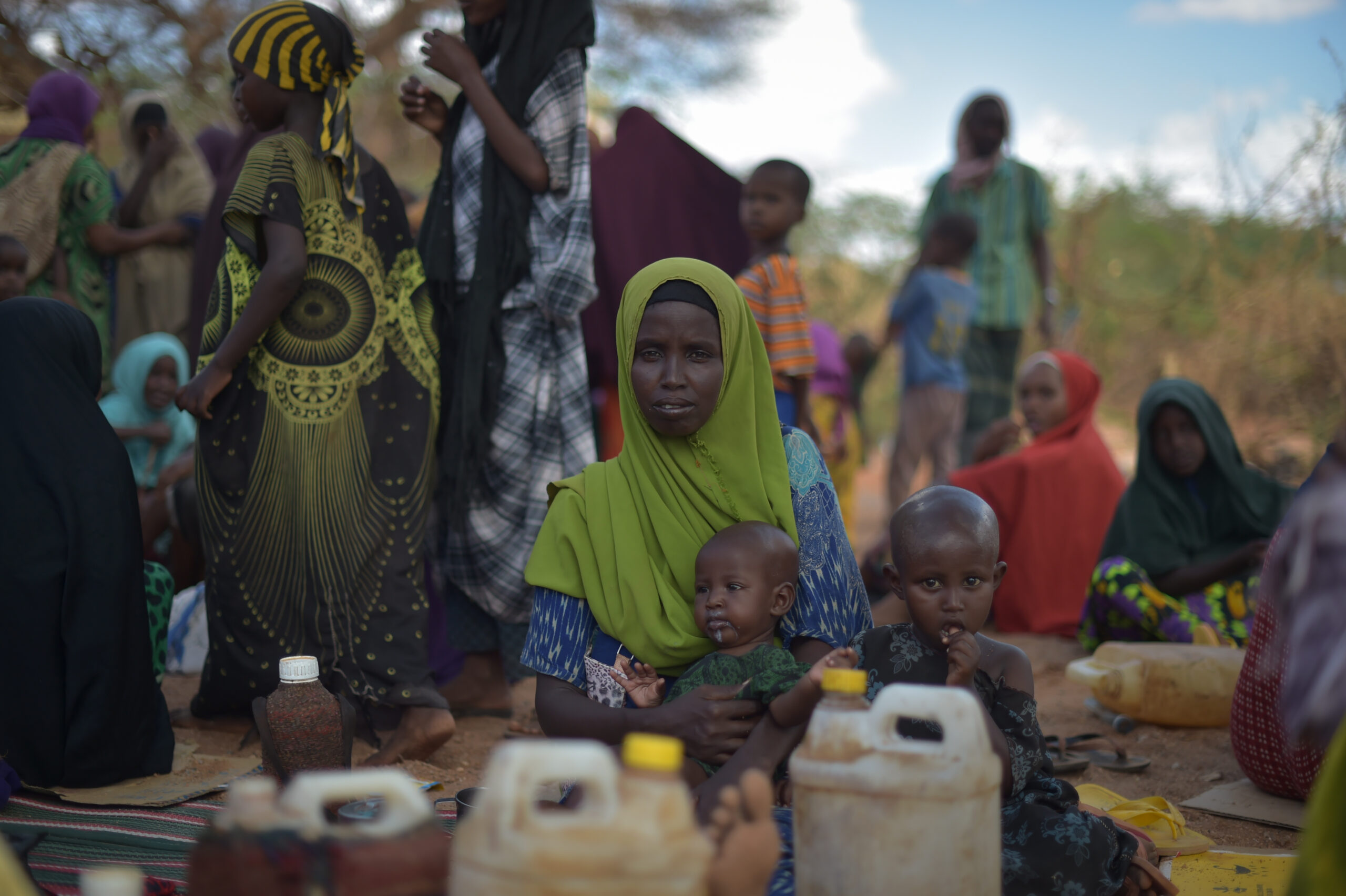
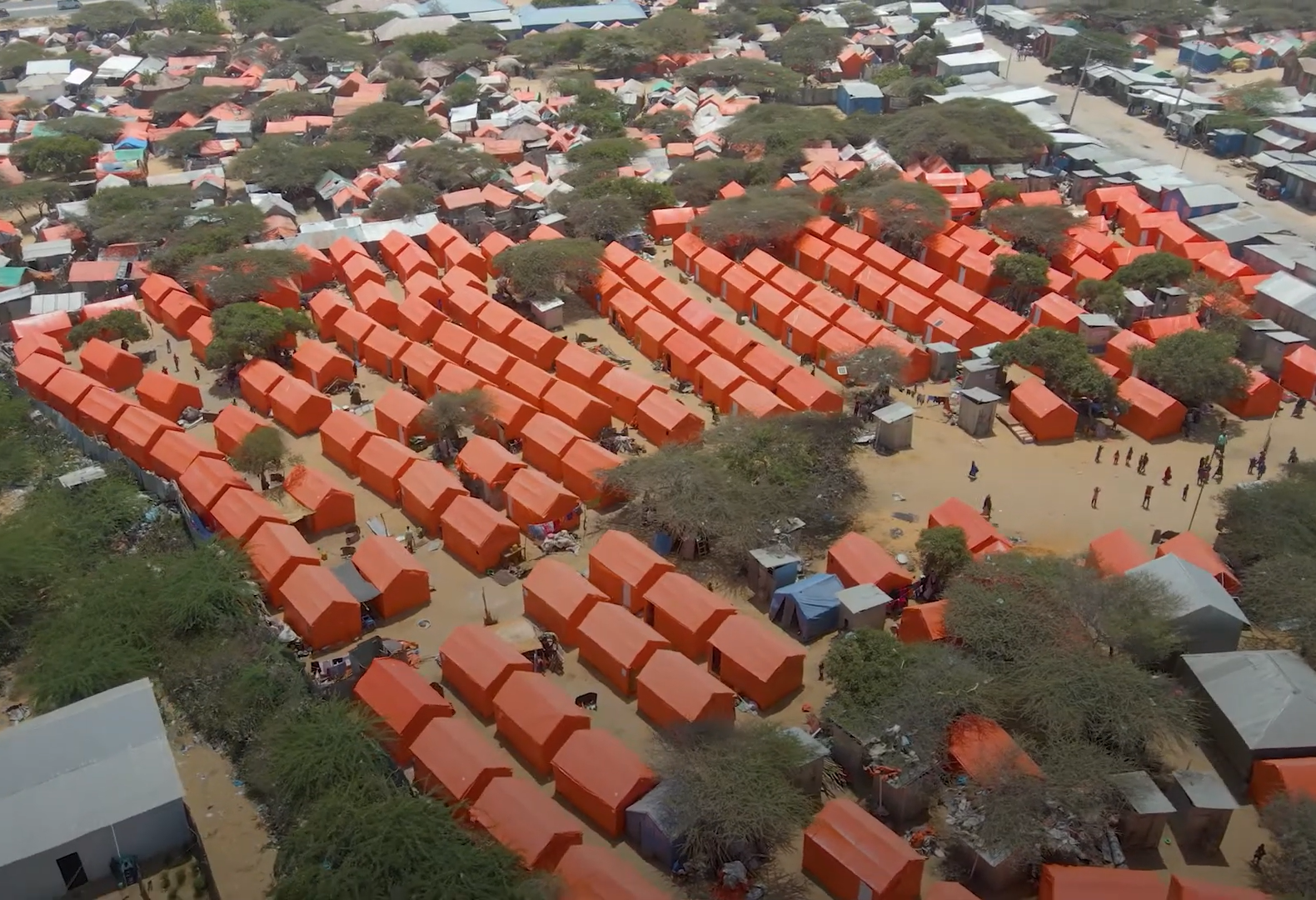
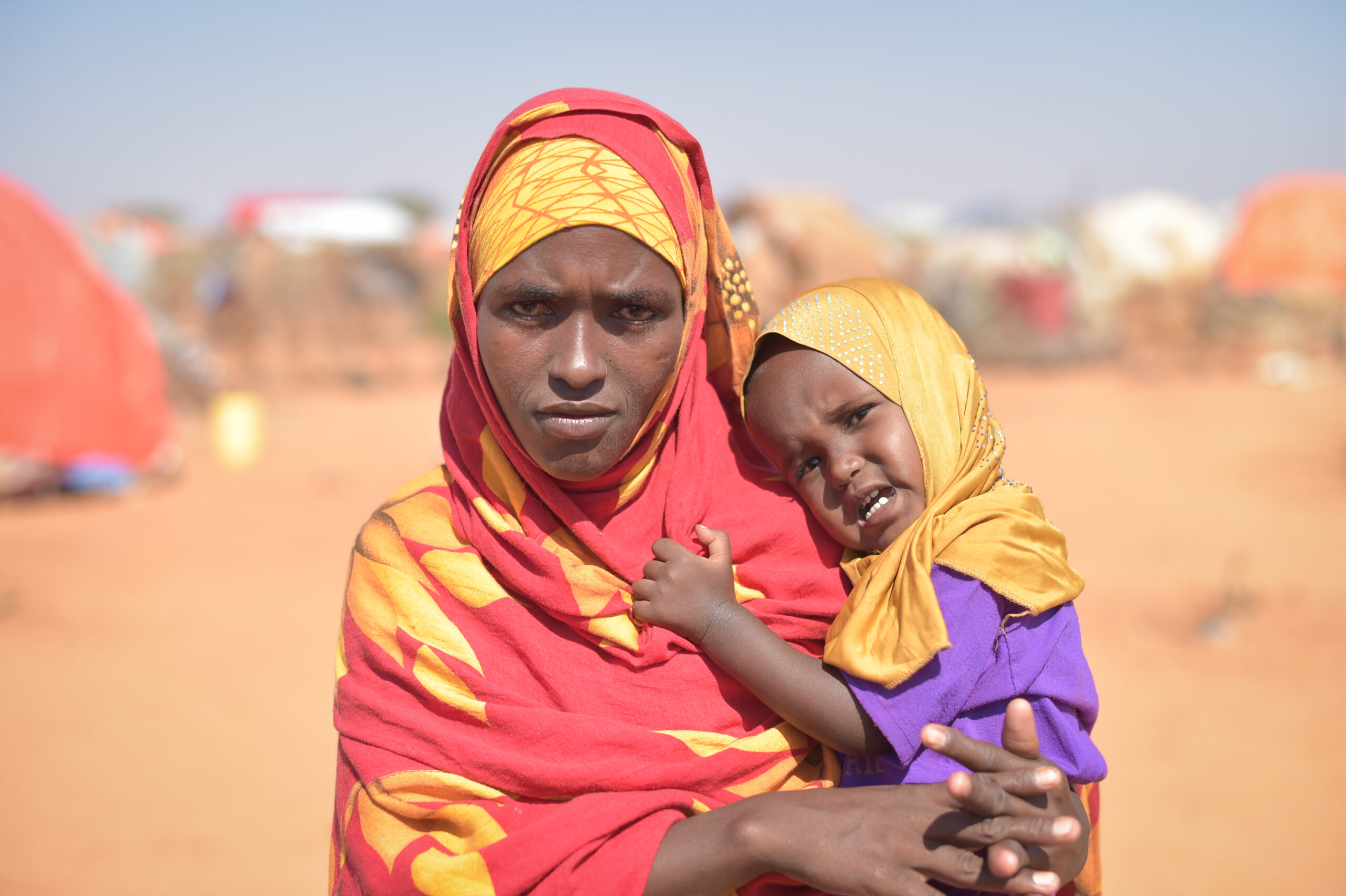
According to the figures cited in the paper, as of February 2019 Dadaab hosted 210,038 refugees, most of them Somali, across the Hagadera, Dagahaley and Ifo camps. The complex was set up in 1991 for about 90,000 people. Since December 2014, 79,113 Somali refugees had returned home, and 2,673 of them had come back to Dadaab. A further 13,281 unregistered refugees lived in the camps. Children made up 58 percent of the population, and 44 percent of residents had been born in Kenya. Asked about return, 46 percent said they had no plans to go back, and another 36 percent would consider it only if services, humanitarian conditions or security in Somalia changed substantially. Most returns had gone to Kismayo (87.7 percent), followed by Mogadishu and Baidoa, mainly to urban areas with already stretched infrastructure.
Return and reintegration in Somalia
Return must be voluntary, informed, safe and dignified, with free choice of destination and respect for non-refoulement. The paper calls for better coordination between Kenyan and Somali actors through country-of-origin meetings and the Cross Border Working Group, including accurate information, harmonised return packages and shared protection data. It asks donors to prioritise Somali federal member states and municipalities for urban planning and infrastructure, to link returnees to durable solutions programmes and community action plans, and to invest in reintegration and cross-border livelihood initiatives, in line with the IGAD Nairobi (2017), Djibouti (2018) and Kampala (2019) declarations.
Alternatives to encampment
Dadaab already has many features of a town, from population density to economic activity, yet Kenya maintains a strict encampment policy. The paper cites World Bank research showing that refugees and hosts are economically interdependent and that refugees can contribute to host economies when conditions allow. It recommends an inclusive inter-ministerial task force; removing barriers to self-reliance, including restrictions on work and movement; resolving registration problems, such as Kenyans wrongly registered as refugees; and integrating remaining refugees into Garissa County development planning, with humanitarian assistance maintained during any transition.
Host communities and Garissa County
Garissa is among Kenya’s poorest counties: the paper puts poverty at about 66 percent, with refugees making up about 24 percent of the county’s population. Environmental degradation and competition over natural resources have driven conflict between refugees and hosts. Closing Dadaab would hurt host livelihoods, but existing economic ties, camp assets and infrastructure could support self-reliance for both groups. The paper recommends assessing the economic, financial and institutional effects of any change with the county, making sure hosts benefit from the transfer of camp infrastructure, and developing an integrated urban settlement approach for Dadaab town.
International responsibility sharing
The Global Compact on Refugees allows a Support Platform to be set up for protracted situations where a host state needs significant support. The paper suggests Kenya could use a response plan to call for one, mobilising financial and technical support as well as resettlement and complementary pathways. Resettlement from Dadaab is limited: only about 2,000 refugees are considered each year, while roughly 1,000 children are born in the camps annually. Stricter policies in some resettlement countries had slowed processing for Somali refugees. The paper asks for resettlement places for Somali refugees in Dadaab to be maintained or increased.
Read the full discussion paper.
References
ReDSS (2019). Dadaab solutions paper: discussion points and recommendations in support of long-term solutions for displacement-affected communities in Dadaab. Regional Durable Solutions Secretariat, April 2019. https://www.regionaldss.org/wp-content/uploads/2024/02/ReDSS-Dadaab-solutions-paper-April-2019.pdf