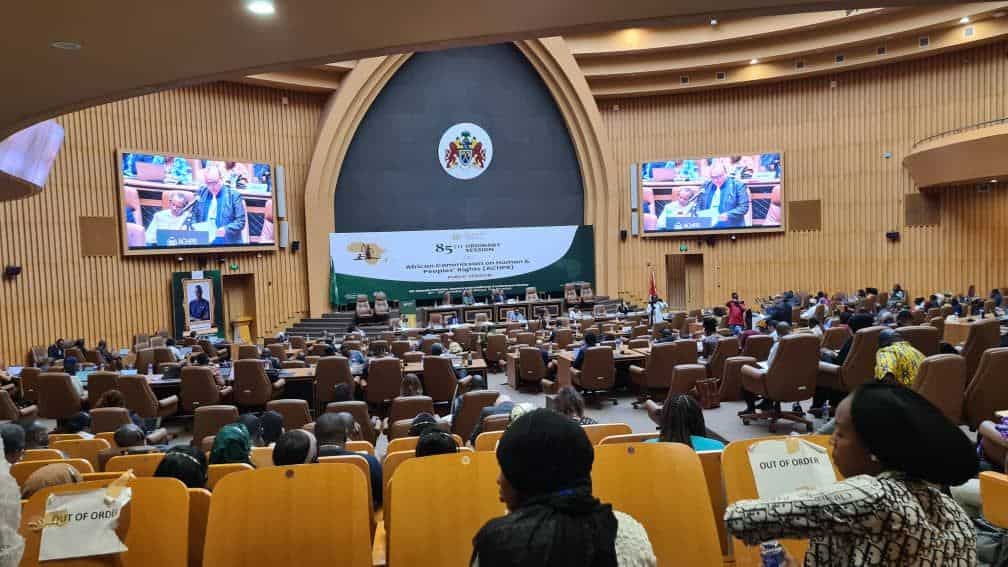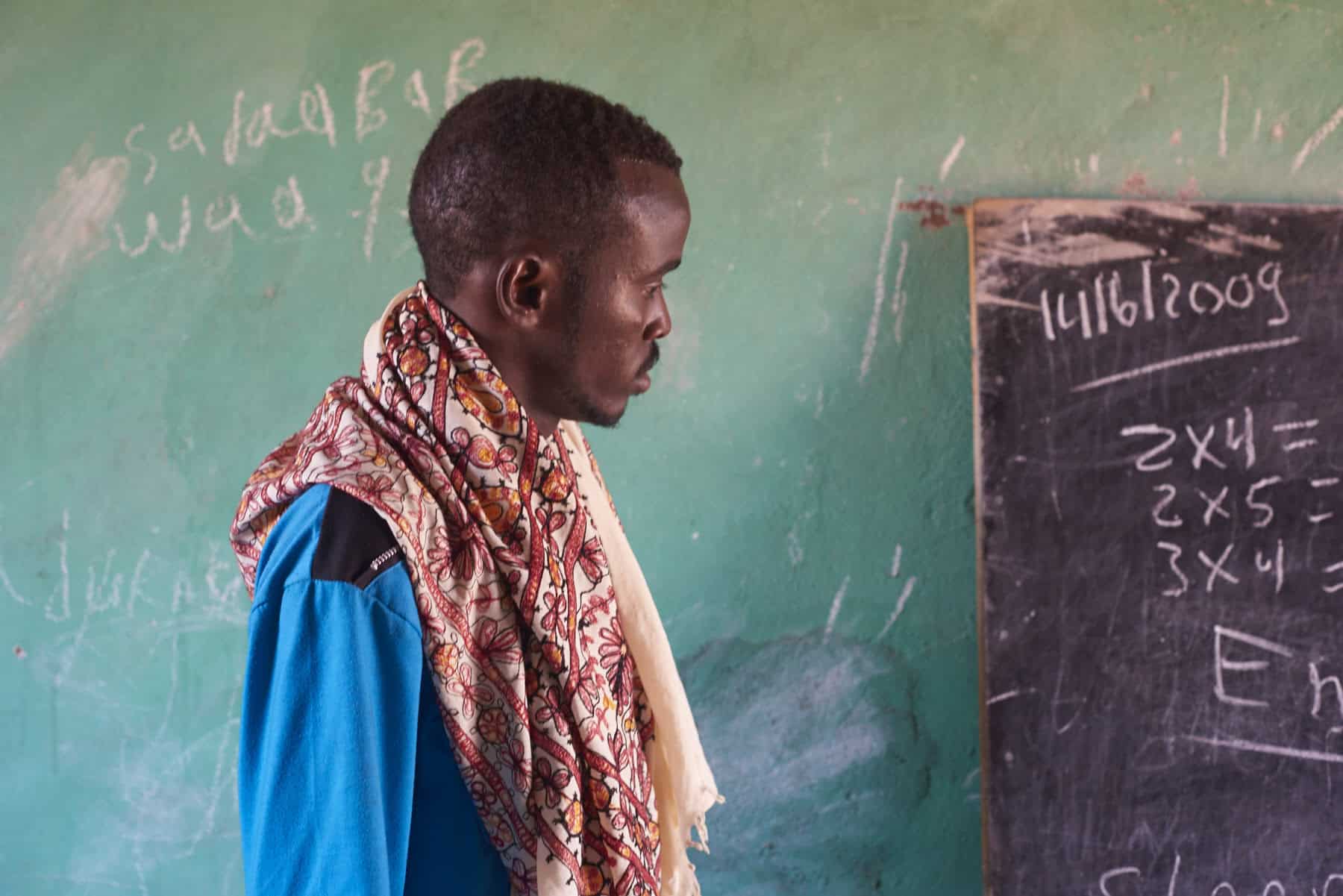
On November 27, 2025, in Jigjiga, Ethiopia’s Somali Region, government officials, UN agencies, humanitarian actors, and displacement-affected communities (DACs – refugees, IDPs, and host community members) met to validate research findings on how meaningful participation is understood, practiced, and experienced.
nThe Regional Durable Solutions Secretariat (ReDSS) convened the consultation to strengthen dialogue, identify gaps between policy and practice, and inform more inclusive, locally owned humanitarian, development, and durable solutions programming. The consultation followed a structured process: agenda-setting, participant introductions, opening remarks from government officials, presentation of preliminary research findings by Afro-Roads, and in-depth discussion where DACs shared feedback and lived experiences.
An Uncomfortable Truth
What began as a technical consultation became something more urgent. The workshop revealed a truth the humanitarian and development system often overlooks: current participation practices are failing the communities they aim to serve. Rather than validating existing frameworks, the consultation exposed a significant gap between policy rhetoric and lived reality, between how institutions conceptualize participation and how DACs actually experience it.
Government Commitment
ReDSS regularly conducts consultations with DACs to ensure their voices remain central to durable solutions efforts. This session proved particularly intense, driven by recent research findings and broader challenges faced by DACs.
The representative from the Office of the President of the Somali Regional State emphasized that the government is moving beyond promises to concrete action, including finalizing relocations and preparing for local integration in Qolaji. He affirmed the government’s commitment to working collaboratively with all stakeholders, including DACs.
What the Research Found
The research focused on Kebribeyah Refugee Camp and Qoloji IDP sites, guided by three questions: how participation is understood, how it is practiced, and what factors shape it. The qualitative, people-centered approach highlighted stark disparities, with IDP communities facing weaker participation mechanisms and lower visibility than refugees.
While meaningful participation is anchored in frameworks like the Global Compact on Refugees (GCR), Comprehensive Refugee Response Framework (CRRF), and Kampala Convention, it remains limited in practice. Restrictive policies, mobility and information constraints, power imbalances, and donor-driven, top-down decision-making all feed those persistent gaps.
Group discussions reinforced that meaningful participation must go beyond symbolic consultation. NGOs stressed inclusiveness and accountability; government actors highlighted active engagement and respect for diversity, and DACs emphasized trust, depth, and real influence over decisions.
The Gap Between Policy and Practice

On paper, meaningful participation is enshrined in global, national, and local frameworks, including the National Strategy to Implement Solutions Pathways to Internal Displacement in Ethiopia, Somali Regional Durable Solutions Strategy, Kabribayah Inclusion Roadmap, and Multi-Year Resilience Strategy. These policies emphasize local ownership, inclusion, and co-creation.
Yet across refugee camps and IDP sites in the Somali Region, reality contrasts sharply with these commitments. DACs are informed but not empowered, consulted but rarely heeded, present but never decisive. Decisions are often made before communities are invited into the process, reducing participation to procedural formality rather than genuine power transfer.
Perception vs. Reality
This truth became clear when workshop participants shared their thoughts through a live Mentimeter survey. A hand-drawn chart mapped the Ladder of Participation across eight levels, from manipulation at the bottom, through consultation and dialogue, to refugee-led action at the top.
Two lines cut across this ladder. The red line of perception rose confidently toward the top, reflecting institutional belief that participation is already meaningful, collaborative, and approaching community leadership. The black line of reality, drawn from lived experiences of refugees and IDPs, collapsed sharply after consultation. It never reached shared decision-making. It never approached refugee-led action.
The gap between these lines exposed not a technical failure, but a power failure, a governance gap between what the system claims and what people experience.
Voices from Displacement-Affected Communities
Participants shared firsthand examples of tokenistic practices. NGOs design projects and select beneficiaries without community input, collect feedback only after implementation, and fail to act on that feedback. As one participant explained, “what arrives is what others planned, not what we asked for.”
This form of participation (voice without power, presence without authority, consultation without consequence) erodes trust, undermines accountability, and threatens the sustainability of durable solutions.
What Must Change
The discussion highlighted that participation of DACs in Ethiopia’s Somali Region often remains symbolic rather than empowering. While government and NGOs emphasize inclusive, people-centered approaches, gaps persist due to donor-driven priorities, weak needs assessments, and limited community decision-making power.
Refugee and IDP representatives clearly expressed that meaningful participation means having a real voice, shared responsibility, and influence over decisions, not publicity or consultation alone. Moving beyond tokenism requires recognizing DACs as partners with agency, ensuring culturally sensitive engagement, and translating participation from presence into power.
A Test of Political Will
The challenge is no longer technical but political. The frameworks exist, ladders are drawn, and resources are moving. What is missing is the courage to share power: to let communities design programs, select beneficiaries, and co-own solutions. Durable solutions cannot be built on infrastructure, funding, or technical planning alone. They require genuine power-sharing.
The Jigjiga workshop exposed the persistent centralization of power and the gap between policy and practice. It underscored that meaningful participation in Ethiopia’s Somali Region remains trapped mid-ladder. True durable solutions will only emerge when displaced communities move from the margins of meetings to the center of decision-making, with real access, representation, and influence.
The ladder of participation is no longer theoretical. It is a test of political will. The question is no longer whether transformation is necessary, but who is ready to let communities climb.