Kevin Watkins along Save the Children team visiting Hassan Mumin IDP camp,

Somalia

Established in 2016, the ReDSS Somalia Country Unit is built upon the Somalia Solutions Analysis and collaboration among ReDSS members. This partnership is focused on enhancing coordination, addressing capacity needs, and fostering collective knowledge management to inform and strengthen the overall response to displacement in Somalia.

Brief overview of displacement in Somalia

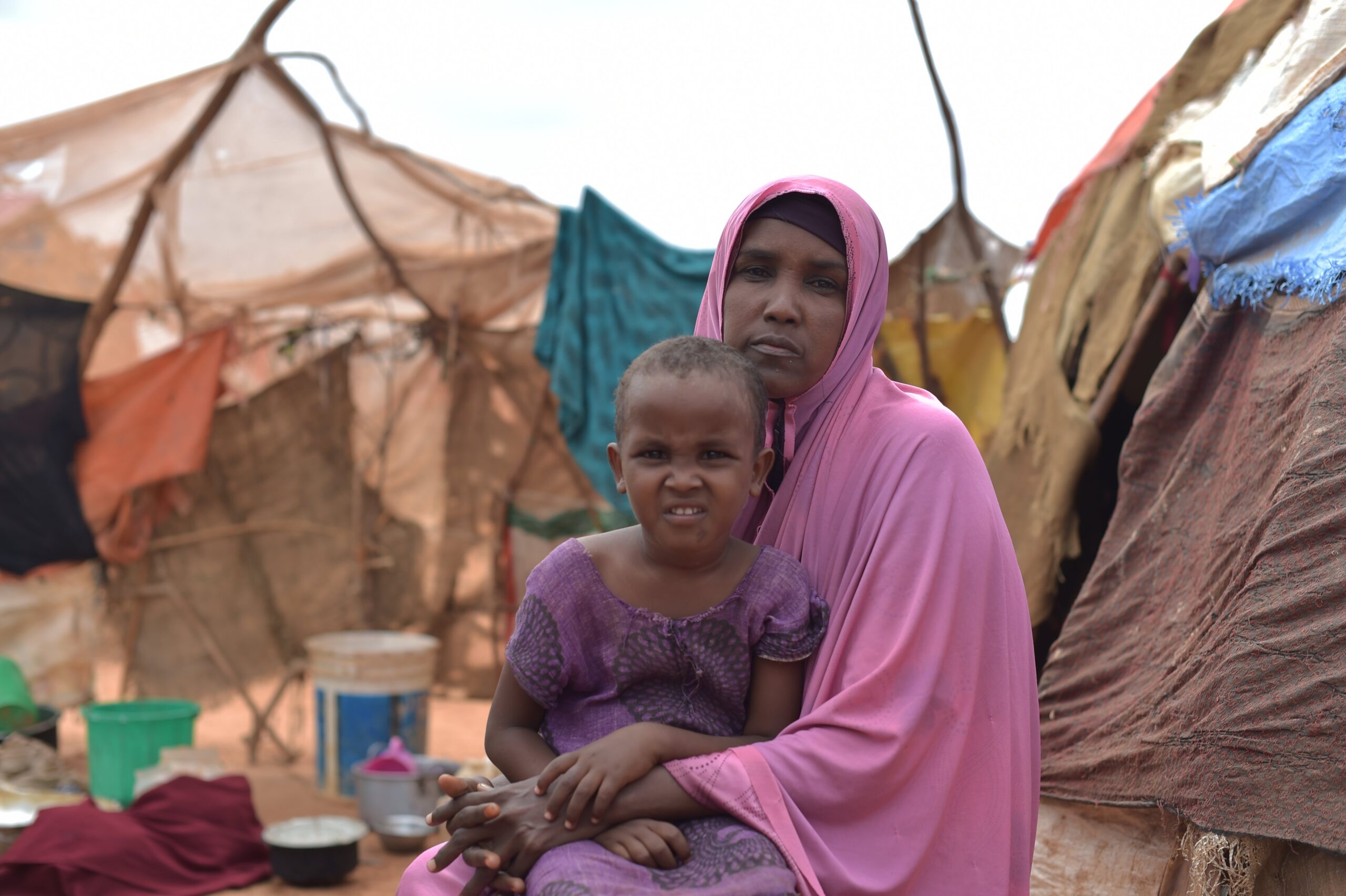
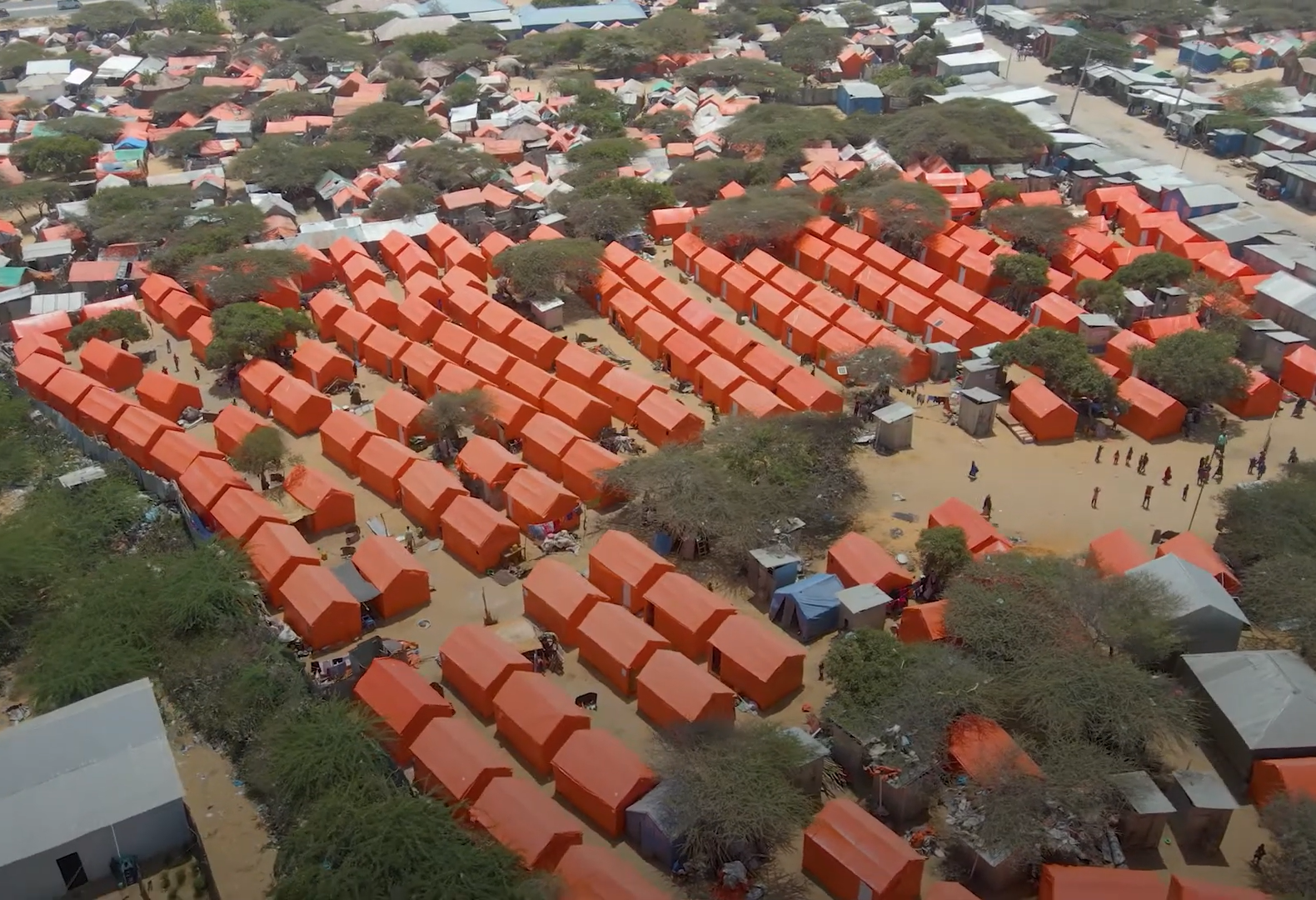
Somalia faces one of the world’s most complex protracted displacement situations, driven by armed conflict and the impact of climate change-induced droughts and floods. The country is estimated to have around three million internally displaced persons (IDPs), with a significant trend of IDPs fleeing rural areas towards urban IDP settlements. Additionally, Somalia hosts 36,903 registered refugees and asylum seekers, mainly from Ethiopia and Yemen. The majority of Somali refugees and asylum seekers, numbering 739,680, are hosted in neighboring countries.

Total number of IDPs in Somalia
0 +
Total number of Refugees in Somalia
0 +

To prevent protracted displacement among internally displaced persons (IDPs) in Somalia and promote pathways toward durable solutions, the Government of Somalia initiated a number of policy interventions. The central policy instrument is the National Durable Solutions Strategy. The strategy has five strategic outcomes that speak to physical, material and legal safety aligned with the criteria set out by the IASC Framework on Durable Solutions as operationalized by the ReDSS Durable Solutions Framework. The strategy is undergirded by the National Policy on Refugee-Returnees and Internally Displaced Persons, the National Eviction Guidelines among other policies.

Past Achievements

In 2023, some of our achievements included:

Supporting Somali-led dialogue on solutions to displacement 

  • One town hall discussion event conducted & 1 learning brief/commentary produced: ReDSS worked with the Somali Public Agenda to conduct a town hall discussion on social exclusion and durable solutions in Mogadishu on 15th June 2023. The event was attended by 50 participants drawn from displacement-affected communities (minority, marginalized & majority clan groups), government officials (at federal, regional, and district levels), and civil society groups. A key outcome of the discussion was that the Benadir Regional Authority (BRA) needed to do more to protect minority groups from discrimination. Another key outcome was that the role of minority rights groups – though critical – was not fully supported by the government or aid actors. A learning brief/commentary that documented the key outcomes and recommendations was produced and published on the SPA website here. A recording of the event was also published here.  
  • Two podcasts produced: ReDSS worked with its partner, Somali Public Agenda, to produce two one-hour podcasts focusing on social exclusion and its impact on durable solutions. The podcasts featured speakers from the local authority in Mogadishu as well as a minority rights group advocate who discussed solutions to social exclusion and marginalization of minority clan groups in displacement in the Benadir Region. The podcasts were recorded and published on YouTube here and here.  

Supporting a government-led and owned durable solutions policy process that is inclusive, coherent and well-coordinated 

  • One government-to-government learning event conducted: ReDSS facilitated a government-to-government learning event in Kismayu led by the Jubaland Ministry of Planning, Investment, and International Cooperation on the 20th and 21st of September 2023. The event brought together 70 Somali government officials from the Federal, Federal Member States, and local administrative levels.  They shared their learning and experiences on solutions pathways implemented in their local context. They also used the event to conduct bilateral conversations aimed at enhancing intergovernmental coordination on durable solutions. A learning brief will be produced in October 2023. A brief report on the outcome of this event can be found here.  
  • The Department of Poverty Reduction and Durable Solutions (DPRDS) at the MoPIED supported the DPRDS at MoPIED to effectively coordinate among durable solutions stakeholders under the banner of the National Durable Solutions Strategy (NDSS). ReDSS supported the government entity to revise the coordination structure as well as conduct the first Durable Solutions Technical Working Group under the new structure on 27th August 2023. Highlights of this working group meeting can be found here.  

Current Priorities

Currently, the ReDSS Somalia unit is focusing on:

Supporting people-centred approaches to durable solutions 

Current priorities under this theme include two upcoming studies on DAC inclusion and participation and a context analysis. The inclusion and participation study aims to inform policies and programmes in Somali on the best approaches to avoid social exclusion and enhance social cohesion in humanitarian, development, stabilization, durable solutions and resilience programmes. Its geographical scope is Baidoa, Kismayu and Mogadishu and will be delivered in the fourth quarter of the year. The context analysis on the other hand aims to inform policy and programme interventions on politically smart ways to implement their interventions and avoid doing harm to displacement affected communities. It covers Dollow and Xudur locations in Jubaland and South West States of Somalia. Preliminary findings are expected at the end of 2023.  

Supporting government-led approaches to durable solutions that are coherent, comprehensive and well-coordinated 

Current priorities under this theme include supporting the Government of Somalia at different levels to adopt inclusive and participatory approaches to the coordination of the durable solutions agenda in Somalia as framed by the National Durable Solutions Strategy. Specific activities include supporting the government in organizing and conducting durable solutions technical working group sessions and conducting learning events on durable solutions. 

Our Partners

Our work in Somalia would not be successful without our partners. They include our members, government entities, donors, academia, and other peers within the durable solutions space. 

Supporting Meaningful Participation for Somalia’s Marginalized Communities

Supporting Meaningful Participation for Somalia’s Marginalized Communities

In 2023, The Regional Durable Solutions Secretariat (ReDSS) engaged Meraki Labs, a consulting firm whose mission is to ensure that...

by Andrew Maina25 March 2024
Forging a Path Toward Durable Solutions for Somalia’s Displaced Communities 

Forging a Path Toward Durable Solutions for Somalia’s Displaced Communities 

The Ministry of Planning, Investment, and Economic Development (MoPIED) in cooperation with ReDSS hosted a pivotal Solutions Pathways Workshop and...

by Mubarik Mohamoud25 March 2024
Aspirations Survey II 2022

Aspirations Survey II 2022

The world commemorates World Cities Day on the 31st of October each year. The day is meant to draw global...
by redsscom24 October 2022
Aspirations survey 2019: listening to displacement-affected communities in Somalia

Aspirations survey 2019: listening to displacement-affected communities in Somalia

Updated October 2026: this post was first published in August 2020 to share the first report of the survey. We...
by redsscom12 August 2020
Understanding Housing, Land and Property in Somalia

Understanding Housing, Land and Property in Somalia

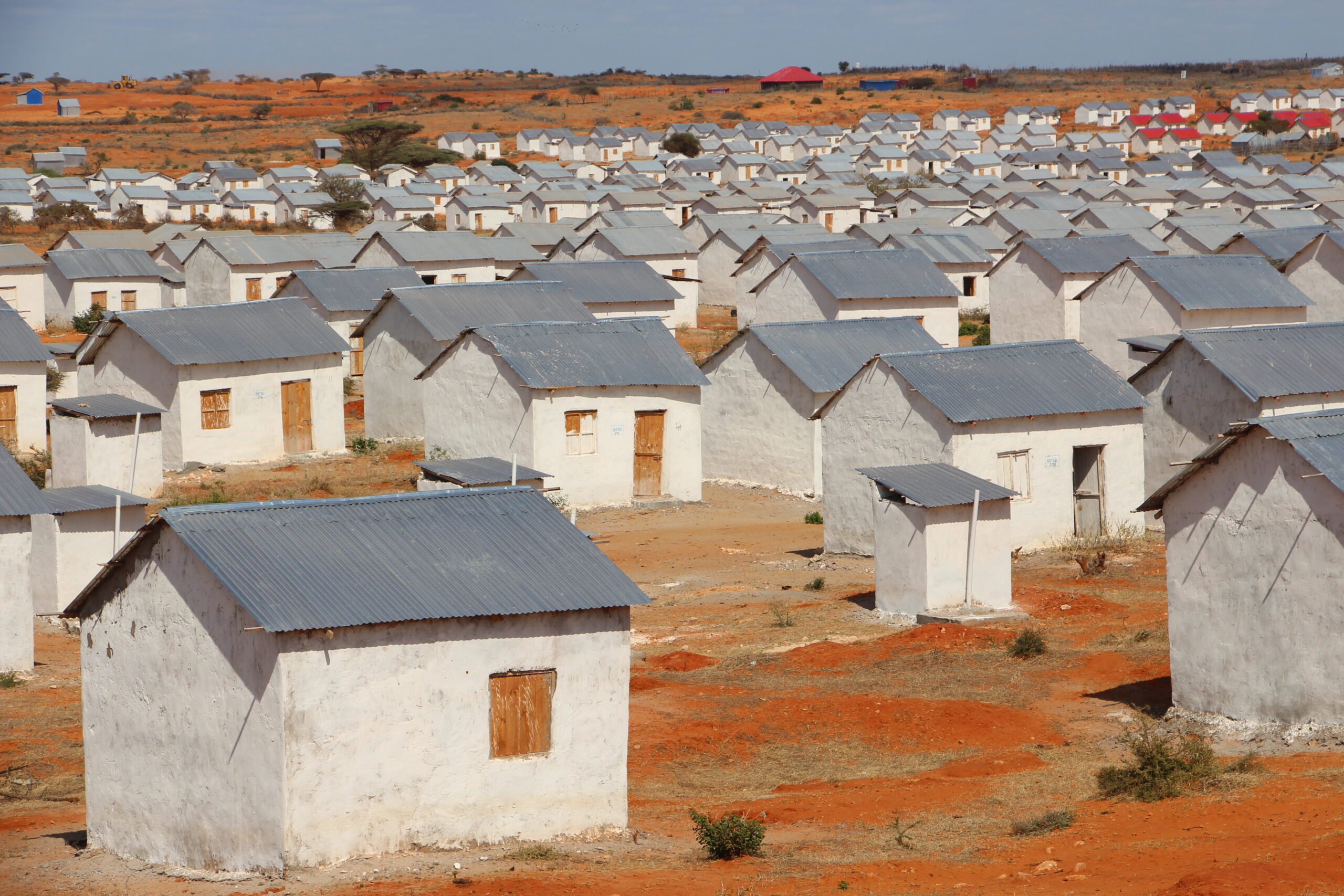
Issues related to housing, land and property more commonly referred to as "HLP" arise in most crises, in conflict, as...
by redsscom16 March 2020
A multi-stakeholder approach to urban displacement in Somalia

A multi-stakeholder approach to urban displacement in Somalia

Updated October 2026: this post was first published in March 2020 to share our article. We have expanded it with...

by redsscom2 March 2020
Scroll to Top