
Updated October 2026: this post was first published in May 2022 to share our 2021 report and 2022 workplan. We have expanded it with a summary drawn from the report.
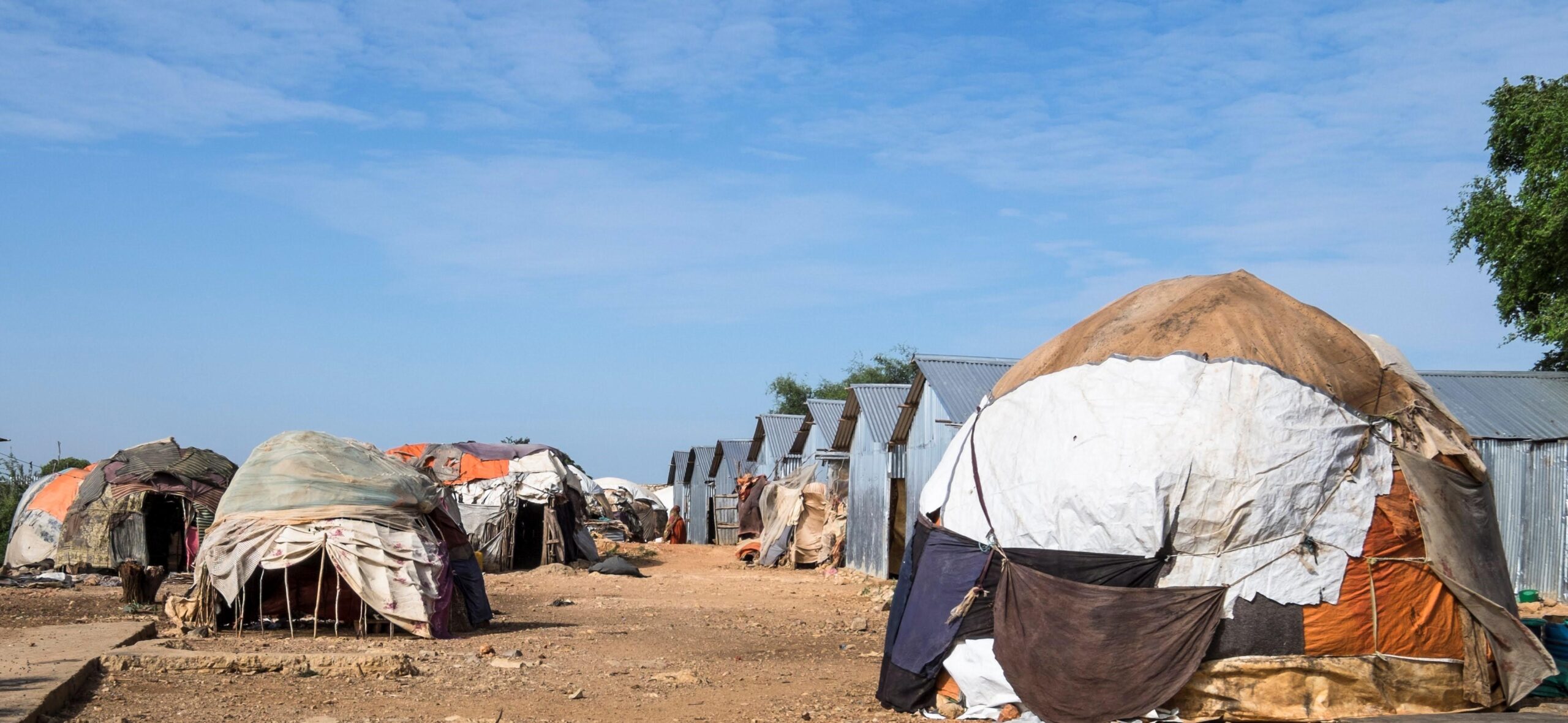
2021 was a challenging year for durable solutions in the Horn of Africa. Following the onset of the COVID-19 pandemic, the region faced a precarious funding landscape for solutions to displacement, worsening conflicts, drought in large parts of the region, and a politically charged environment as countries held or prepared for elections. Most displacement-affected communities continued to live in protracted displacement. Our report, ReDSS Overview 2021/2022, looks back at how we worked across Ethiopia, Kenya, Somalia and the region, and sets out where we are heading. For anyone following displacement in the region, it shows where progress was still possible in a difficult year.
Highlights of 2021
In Ethiopia, we completed a displacement financing case study, held three research seminars in different regions, updated our research strategy, built a network of forced displacement researchers, and presented research at the 2021 congress of the Somali Studies International Association. We delivered four trainings on area-based approaches and displacement-affected communities, supported local authorities in the Somali Region, translated our area-based training tools into Somali, and worked with IOM and UNHCR to start a durable solutions technical advisory group on internal displacement.
In Somalia, we concluded a training-of-trainers curriculum for Somali authorities and began its roll-out, supported the operationalisation of the National Durable Solutions Strategy at federal and state level, and worked with the Ministry of Planning, Investment and Economic Development on a workshop to raise awareness of the strategy among federal member state staff. In Kenya, we completed a displacement financing case study, commissioned a Dadaab solutions analysis, trained humanitarian and development practitioners in Dadaab, updated our policy strategy, and worked with partners on common messaging on camp closure. Regionally, we completed and disseminated our displacement financing study, took part in global policy fora including UNGA and an IGAD panel, and ran bespoke training on durable solutions for ILO and Save the Children. The year also brought a significant number of staff transitions, with as many people joining the team as leaving.
Looking ahead to 2022
As we look ahead, the year has pointed us towards translating evidence and knowledge into aid responses that better promote durable solutions for displacement-affected communities. Our planning now focuses on the real changes we seek to contribute to, with monitoring of outcomes as well as activities and a longer-term approach. Regionally, our objective is to promote an approach to durable solutions policy and programming that is more locally owned, more sustainably resourced, and better able to respond to the realities and needs of displacement-affected communities. That means generating evidence on what effective people-centred approaches look like, making sure the voices of displacement-affected communities are heard more clearly in policy discussions, and helping authorities, donors, implementers and the private sector clarify their roles.
In Ethiopia, we will help maintain the gains made under the CRRF and help aid actors build durable solutions thinking into responses to internal displacement. In Somalia, we will support coordination between federal and state actors to address the barriers that keep displacement-affected communities from housing, land and property, basic services and economic inclusion. In Kenya, we will support collective NGO coordination around the Refugee Act 2021, passed late in the year, and county policy processes. We will also explore opportunities beyond our core countries, particularly through the Sudans Durable Solutions Initiative. This will enable ReDSS to support solutions that are owned closer to the communities they serve.
Our work was made possible by our members and by funding from the UK FCDO, SDC, the EU, ECHO and Danida. Read the 2021 report and 2022 workplan.
References
ReDSS (2022). ReDSS overview 2021/2022: 2021 report and forecast 2022. April 2022. https://www.regionaldss.org/wp-content/uploads/2024/02/2022-Strategic-Workplan_Final.pdf